Device / Apparatus
Creating memory that transcends memory — paving the way for the next generation of computers.
Faculty of Science and Engineering / Advanced Research Laboratories ProfessorMITANI Yuichiro

Solar Panels Installed on Building No. 1 at Tokyo City University's Setagaya Campus
All English text on this page has been translated automatically. Some sentences may be unnatural.
Walking through residential neighborhoods today, one can see solar panels installed on the roofs of many homes. Solar power systems have also become increasingly common on factory and warehouse rooftops, as well as on large stretches of land in suburban areas. Solar power generates electricity from sunlight without emitting carbon dioxide during electricity generation, making it one of the key energy sources for achieving a carbon-neutral society. Yet as solar power becomes more widespread, new challenges that must be addressed are coming into focus. Makoto Konagai, Specially Appointed Professor at the Research Institute, has dedicated more than half a century to solar cell research. We also spoke with Professor Ryosuke Ishikawa of the Faculty of Science and Engineering, who works alongside Professor Konagai, about their ongoing research.
Professor Konagai began researching solar cells in the 1970s. At the time, the world was experiencing the first oil crisis. Oil prices soared in Japan, and the prospect of resource depletion was becoming a serious concern. Professor Konagai, who was then studying semiconductors at the graduate school of Tokyo Institute of Technology, became involved in solar cell research against this backdrop of social and economic change. Approximately 55 years have passed since then. When he first began his research, solar power was seen as a potential solution to resource shortages. Today, it has taken on an even greater role as a technology for reducing carbon dioxide emissions. Solar cells have already become an integral part of everyday life, making the technology appear mature and fully developed. Professor Konagai, however, disagrees with that perception. “My fellow researchers sometimes ask me, ‘Are you still working on that?’ But solar cells need to be manufactured over large areas to serve as practical power generation systems. At the same time, they must be inexpensive and highly efficient if they are to be widely adopted. Achieving all of these requirements simultaneously is extremely difficult. There is still a great deal of work to be done.”
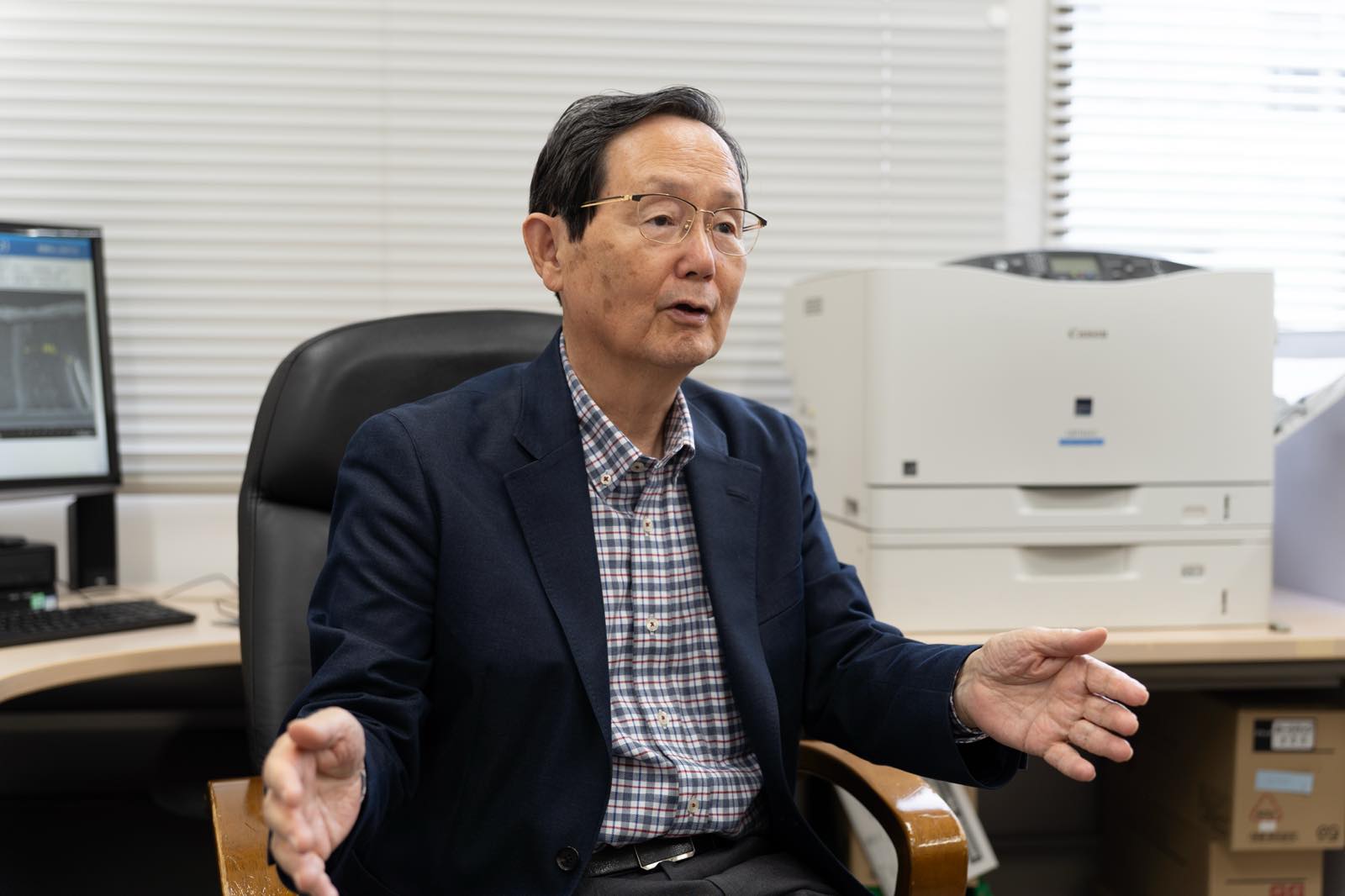
Silicon-based solar cells currently dominate the global market. They offer advantages in cost and durability, and decades of research have steadily improved their conversion efficiency. However, further improvements in performance face a fundamental limitation that silicon alone cannot easily overcome. Sunlight consists of a wide range of wavelengths, from ultraviolet and visible light to infrared radiation. It is difficult for a single semiconductor to efficiently convert light across this entire spectrum into electricity. Moreover, silicon solar cells have a theoretical limit to their conversion efficiency. This is where “tandem solar cells” come into play. By stacking solar cells with different properties, each optimized to absorb specific wavelengths, researchers aim to convert more of the sunlight that cannot be fully utilized by a single material into electricity, thereby achieving higher conversion efficiency. Professor Konagai and his colleagues are developing tandem solar cells that combine perovskite with silicon, or perovskite with CIGS (a multicomponent compound semiconductor composed of copper, indium, gallium, and selenium). Perovskite solar cells are a next-generation solar cell technology that uses materials with a distinctive crystalline structure known as the “perovskite structure” in their light-absorbing layers. These layers can be made extremely thin, and the materials can be deposited through coating or printing processes, offering the potential for lighter weight and lower manufacturing costs. When fabricated as films, they can also be flexible, opening up possibilities for installation on building facades and other surfaces where conventional silicon solar cells have been difficult to deploy.
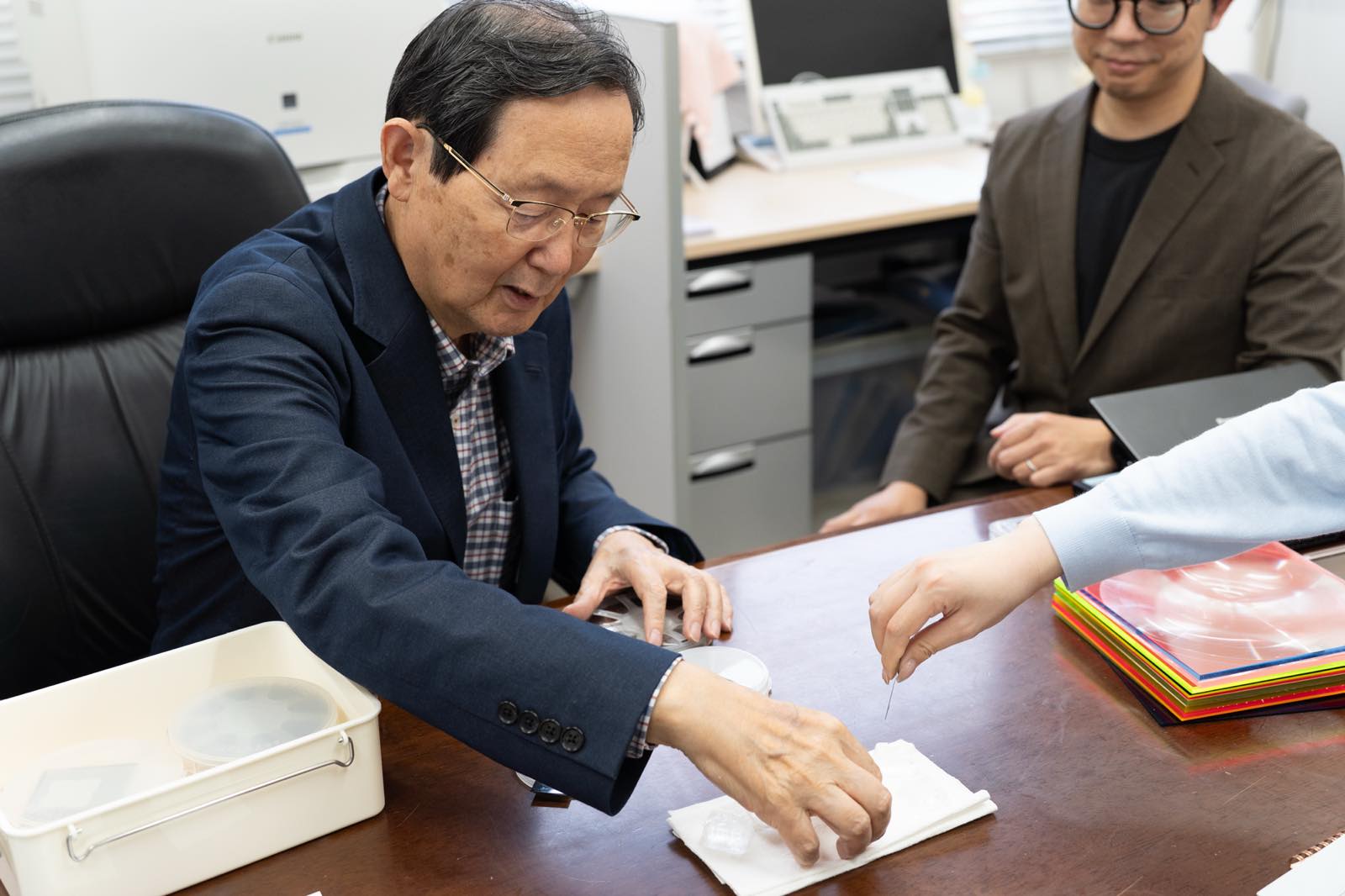
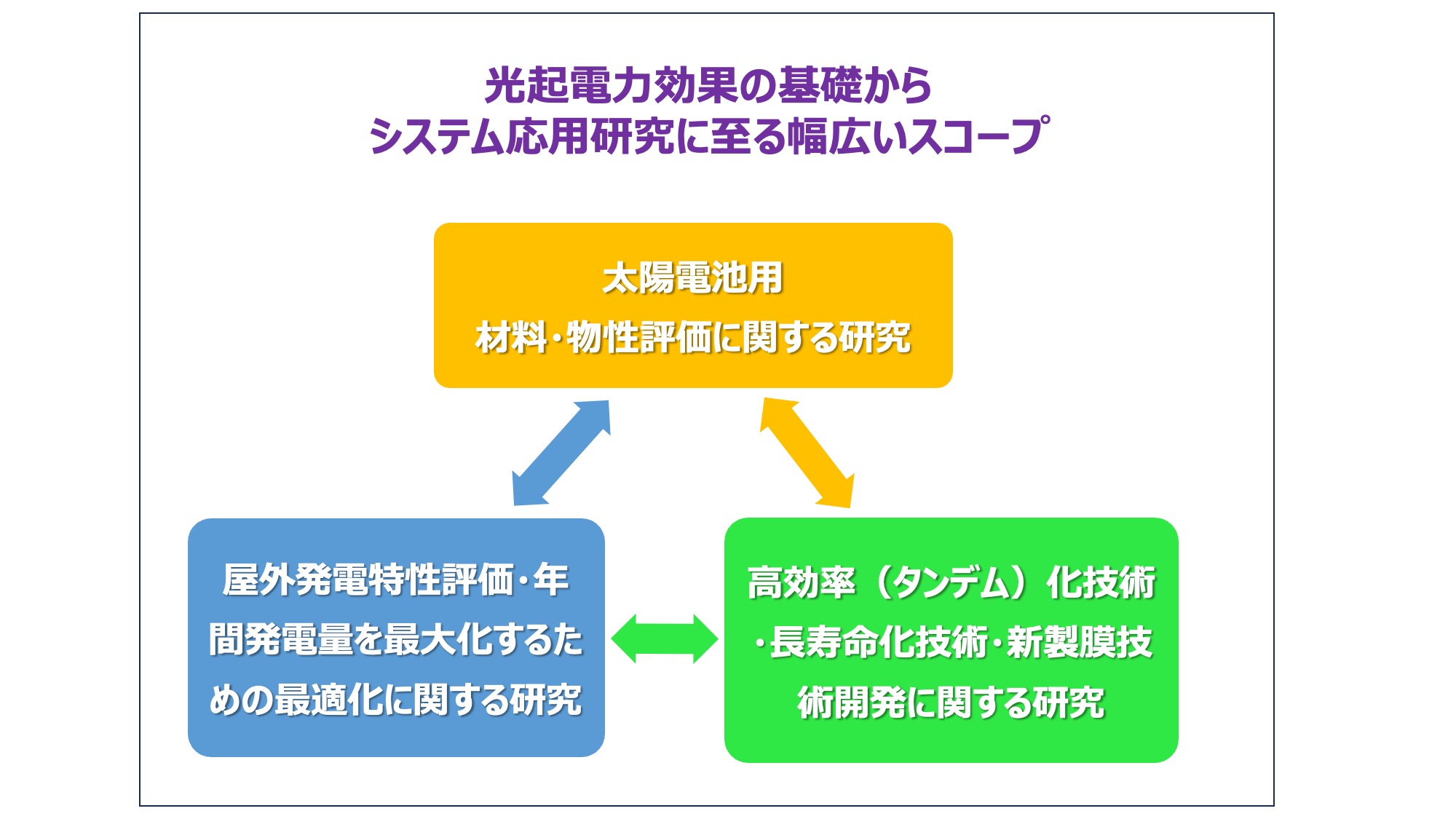
Improving conversion efficiency is not simply a competition to achieve higher numbers. Generating more electricity from the same area can reduce the space required for installation and lower the overall cost of a solar power system, including mounting structures, wiring, and installation work. Professor Konagai has always emphasized the importance of looking beyond any single component of a solar cell. “We need to develop the materials, fabricate the devices, assemble them into large modules, examine how they generate electricity outdoors, and determine what kind of systems we can build. We have to cover every stage of that process.”
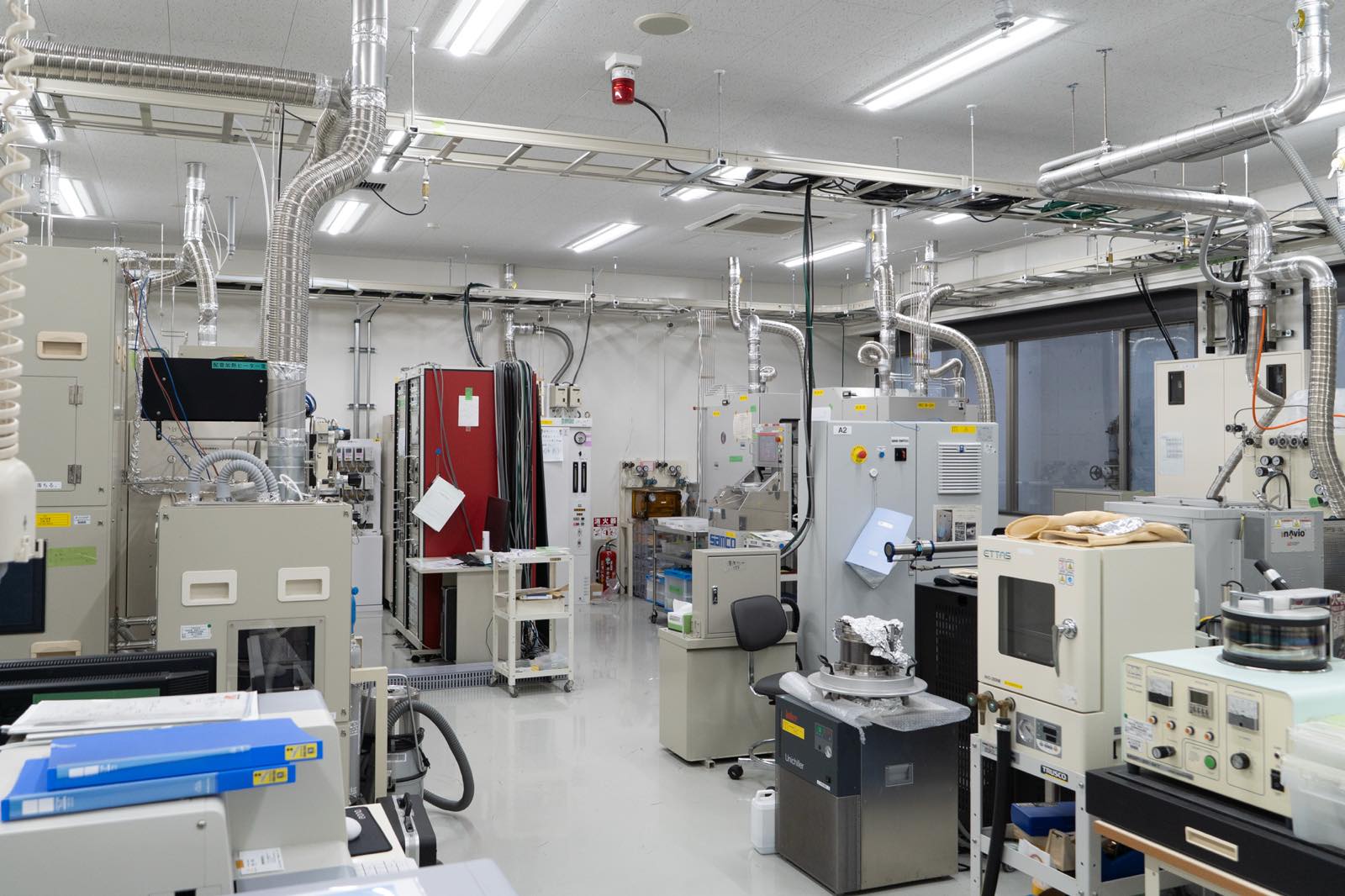
What makes this comprehensive approach possible is the equipment and expertise accumulated in the laboratory over many years. Large-scale semiconductor fabrication equipment fills the experimental facilities. There are systems for depositing different layers onto glass, silicon substrates, and films to fabricate actual solar cells, as well as instruments for measuring which wavelengths of light are reflected and how much light passes through the materials. The researchers do not simply develop new materials; they also investigate how those materials absorb light and generate electricity when incorporated into solar cells. This accumulated knowledge is equally important when exploring new materials. Indeed, many of the film deposition and characterization techniques used in perovskite solar cells have their origins in earlier semiconductor research. “Perovskite technology is also built on technologies developed in the past. We have a broad range of knowledge, along with the equipment needed to fabricate and examine materials. Being able to do all of these things is what really matters.”
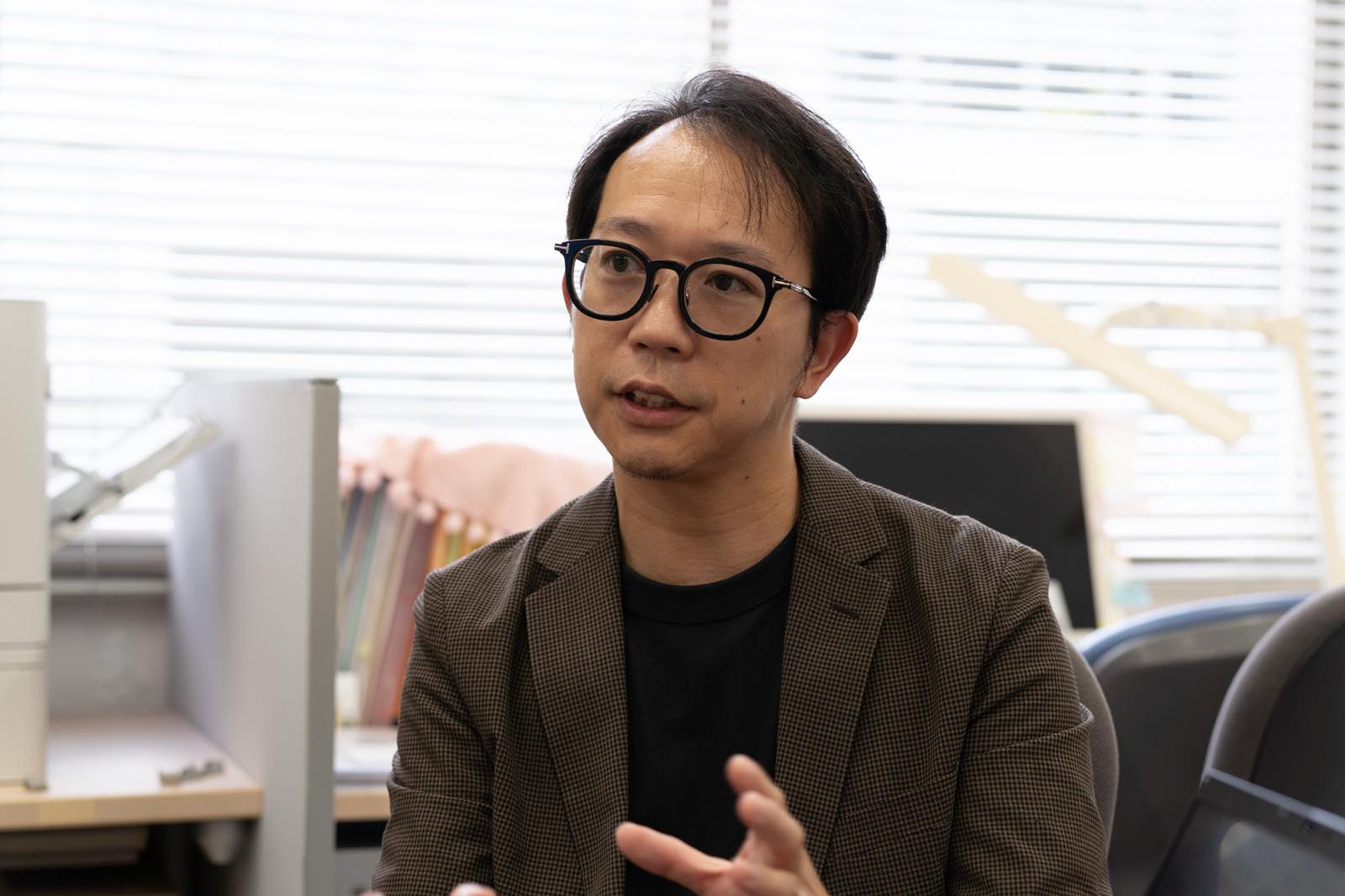
Professor Ishikawa is now working alongside Professor Konagai to advance this research. While Professor Konagai approaches the field from a background in electrical and electronic engineering, Professor Ishikawa brings expertise in chemistry. After completing his master’s degree, he worked on the development of advanced devices at a semiconductor manufacturer before beginning solar cell research during his doctoral studies. Because the performance of perovskite solar cells varies significantly depending on material composition and fabrication conditions, an understanding of chemistry is essential to their development. At the same time, achieving high conversion efficiency requires knowledge of device structures and electrical properties. Professor Ishikawa explains that one of the laboratory’s greatest strengths is its ability to integrate both sides of the research: materials and devices, chemistry and electrical engineering. “When developing tandem solar cells that combine perovskite and silicon, there are not many laboratories capable of fabricating both types of cells and analyzing them within a single research environment. That is one of our major strengths.”
One of the major challenges facing perovskite solar cells is reliability. Silicon solar cell technology has been developed with the expectation that the cells will remain in operation for several decades. Perovskite materials, on the other hand, are more susceptible to moisture, heat, and other environmental factors. Research is therefore continuing to ensure that they can maintain their performance over extended periods. The laboratory also installs solar cells outdoors to investigate how their power generation performance changes over time when exposed to sunlight, temperature fluctuations, rain, and other environmental conditions. “If solar cells have to be replaced every five years, they are unlikely to become widely adopted. Every time they are discarded, there is also an environmental impact. Reliability is extremely important.”
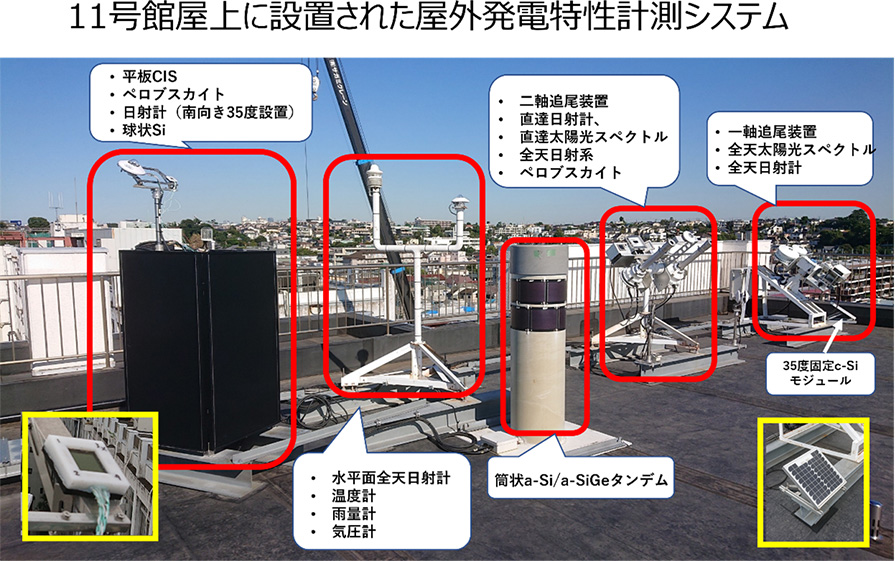
As solar power becomes more widespread, however, challenges arise that cannot be resolved through technology alone. One issue highlighted by Professor Konagai is “social acceptance.” Because solar power generation requires large installation areas, projects can raise concerns about the natural environment, landscapes, and relationships with local communities, depending on where they are located. In Japan, where flat land is limited, it will be necessary to expand solar power generation beyond residential rooftops to surfaces that have not been fully utilized, such as building walls and windows. Lightweight and flexible perovskite solar cells are expected to open up new possibilities for precisely these kinds of applications.
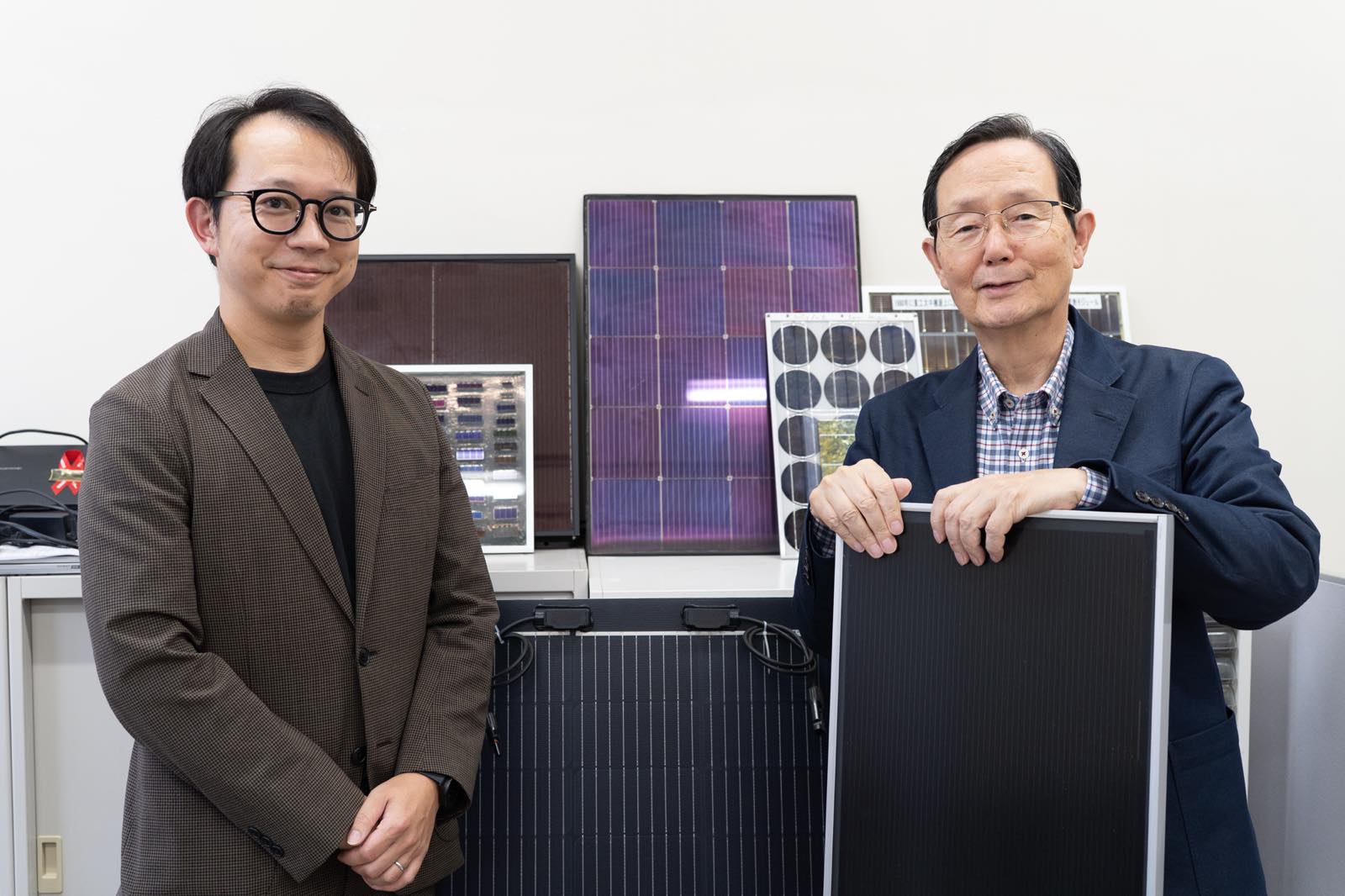
In the past, installing a solar power system with a capacity of just a few kilowatts required a substantial investment. Advances in materials, manufacturing technologies, and mass production have since driven down costs, making solar power systems widely accessible. Yet the widespread adoption of silicon solar cells has brought the challenge of further improving efficiency, leading to the development of new materials such as perovskites. The questions continue to expand, encompassing tandem cell technologies, longer operating lifetimes, and the broader integration of solar power into society. “I believe we still have a long way to go. Perovskite solar cells are not yet at the stage where they can be deployed on a large scale. I hope to continue advancing this research together with Professor Ishikawa until the technology becomes widely adopted in society.”
For more than half a century, Professor Konagai has devoted himself to solar cell research, addressing one challenge after another. What began as a search for a new energy source to replace oil has evolved into the development of technologies that support a carbon-neutral society, with new materials adding further possibilities along the way. Although the focus of the research has changed with the times, the aspiration to convert more sunlight into electricity more efficiently remains unchanged. As new materials and ideas build upon decades of accumulated knowledge and experience, solar cell technology is now entering a new dawn.
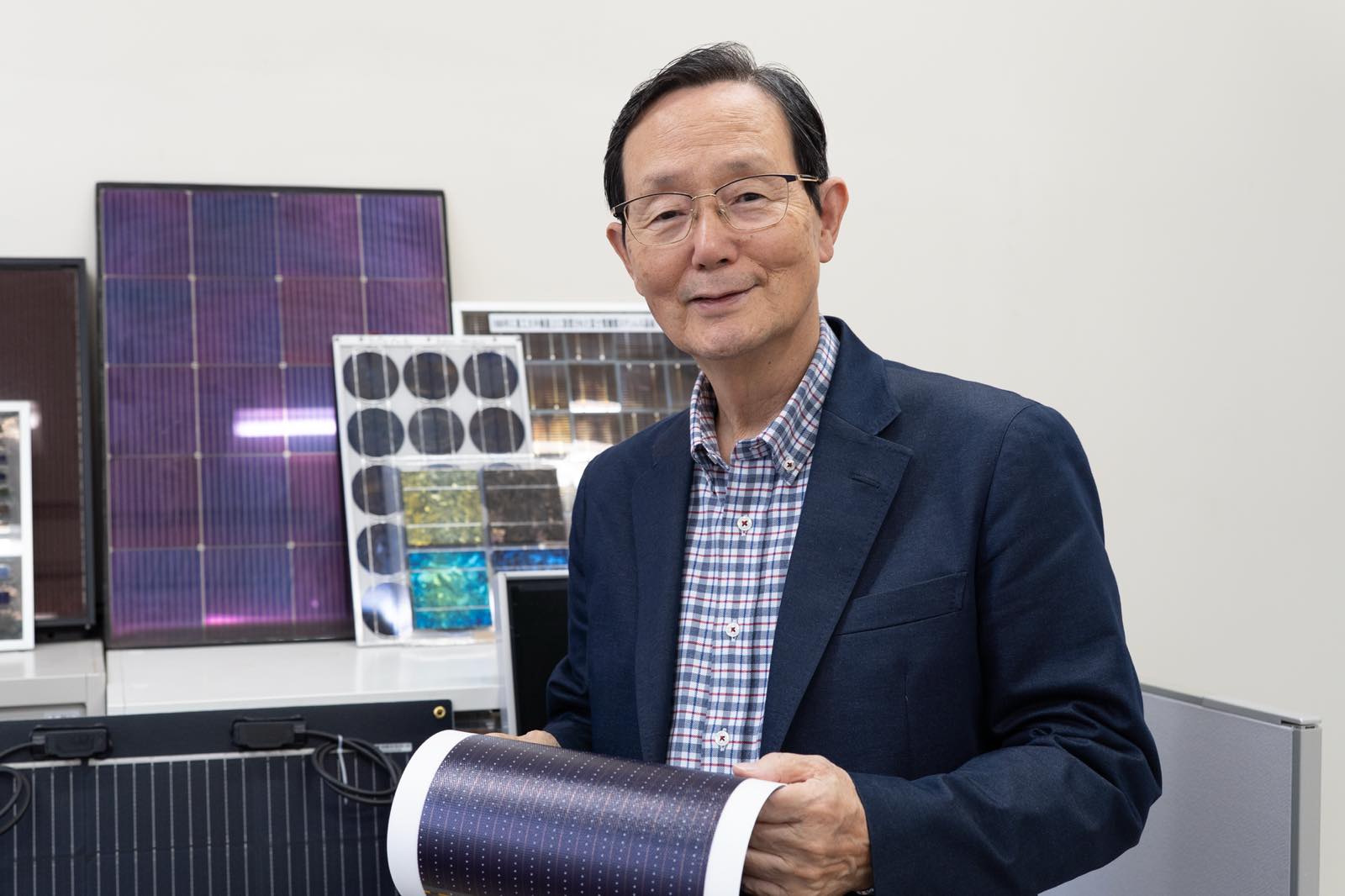
Special Professor at the FUTURE-PV Laboratory, Advanced Research Laboratories. Received a Doctor of Engineering degree in 1977 from the Department of Electronic Engineering, Graduate School of Science and Engineering, Tokyo Institute of Technology. After serving as Professor in the Faculty of Engineering and Director of the Photovoltaic Systems Research Center at Tokyo Institute of Technology, he joined Tokyo City University as a Specially Appointed Professor at the Advanced Research Laboratories in 2015. He has held his current position since 2020.
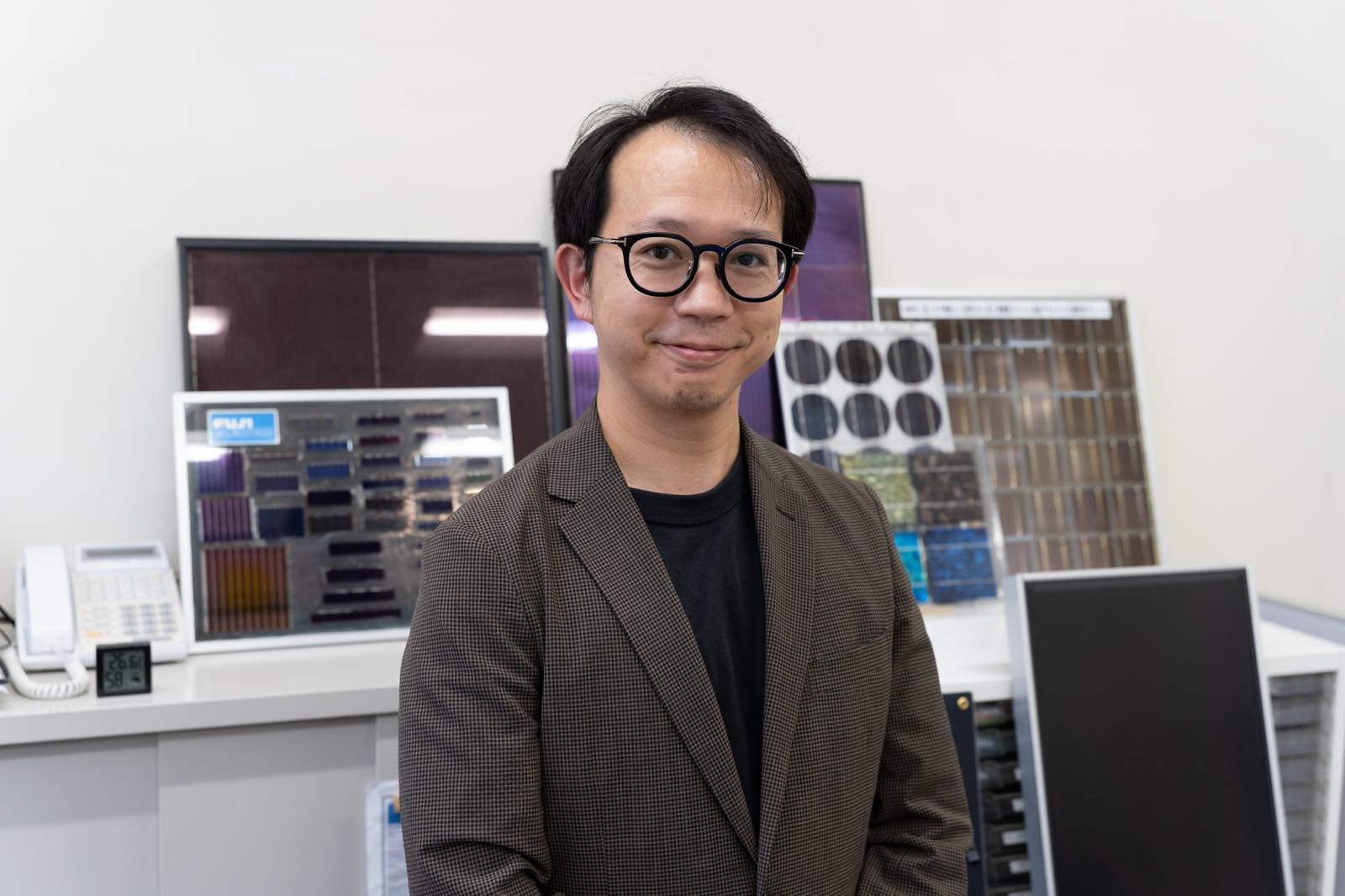
Professor in the Department of Electrical, Electronic and Communication Engineering, Faculty of Science and Engineering; the Department of Electrical and Chemical Engineering, Graduate School of Integrative Science and Engineering; and the FUTURE-PV Laboratory, Advanced Research Laboratories. Received a Doctor of Engineering degree in 2012 from the Department of Electrical and Electronic Engineering, Graduate School of Science and Engineering, Tokyo Institute of Technology. After working at NEC Electronics Corporation and serving as an Assistant Professor in the Faculty of Engineering at Niigata University, he joined Tokyo City University as an Associate Professor at the Advanced Research Laboratories in 2019. He has held his current position since 2023.