Basic Research
Rethinking the Future of Communities from Oyamadai, Tokyo
Faculty of Urban Life Studies / Advanced Research Laboratories ProfessorSAKAKURA Kyosuke

All English text on this page has been translated automatically. Some sentences may be unnatural.
Seen from a satellite at night, the Japanese archipelago is vividly outlined by the electric lights that support people’s daily lives. Japan supplies electricity through a combination of several power-generation methods. Among them, nuclear power is relatively unaffected by weather conditions and can generate electricity steadily. For a country that relies heavily on overseas resources, it remains an important option for sustaining a stable way of life. Yet once electricity has been generated, spent nuclear fuel remains. In addition to uranium and plutonium that can still be reused, spent fuel removed from a reactor contains a wide variety of elements produced through nuclear fission. Most of these are treated as radioactive waste, but could their individual properties be examined to identify new ways of using them as resources? Professor Isamu Sato of the Faculty of Science and Engineering is exploring new ways for society to engage with fission products.
The nuclear fuel cycle refers to the sequence of processes that begins with the use of fuel in nuclear power generation, continues with the recovery of reusable materials, and ends with the appropriate treatment and disposal of the remaining substances. Inside a nuclear reactor, the fission of uranium produces large amounts of energy while also generating a wide variety of elements, including cesium and iodine. These elements produced through nuclear fission are collectively known as “fission products,” or FPs. By contrast, “radioactive waste” is a term used for materials that are not reused during the handling of spent fuel and must instead be managed and disposed of over the long term. Professor Sato has focused on the individual properties of fission products, which tend to be grouped together simply as waste, and has investigated their alternative potential. “When we think about the nuclear fuel cycle, FPs tend to be lumped together as radioactive waste and treated as unwanted material,” he says. “My view, however, is that some of the elements within them may have useful applications.”
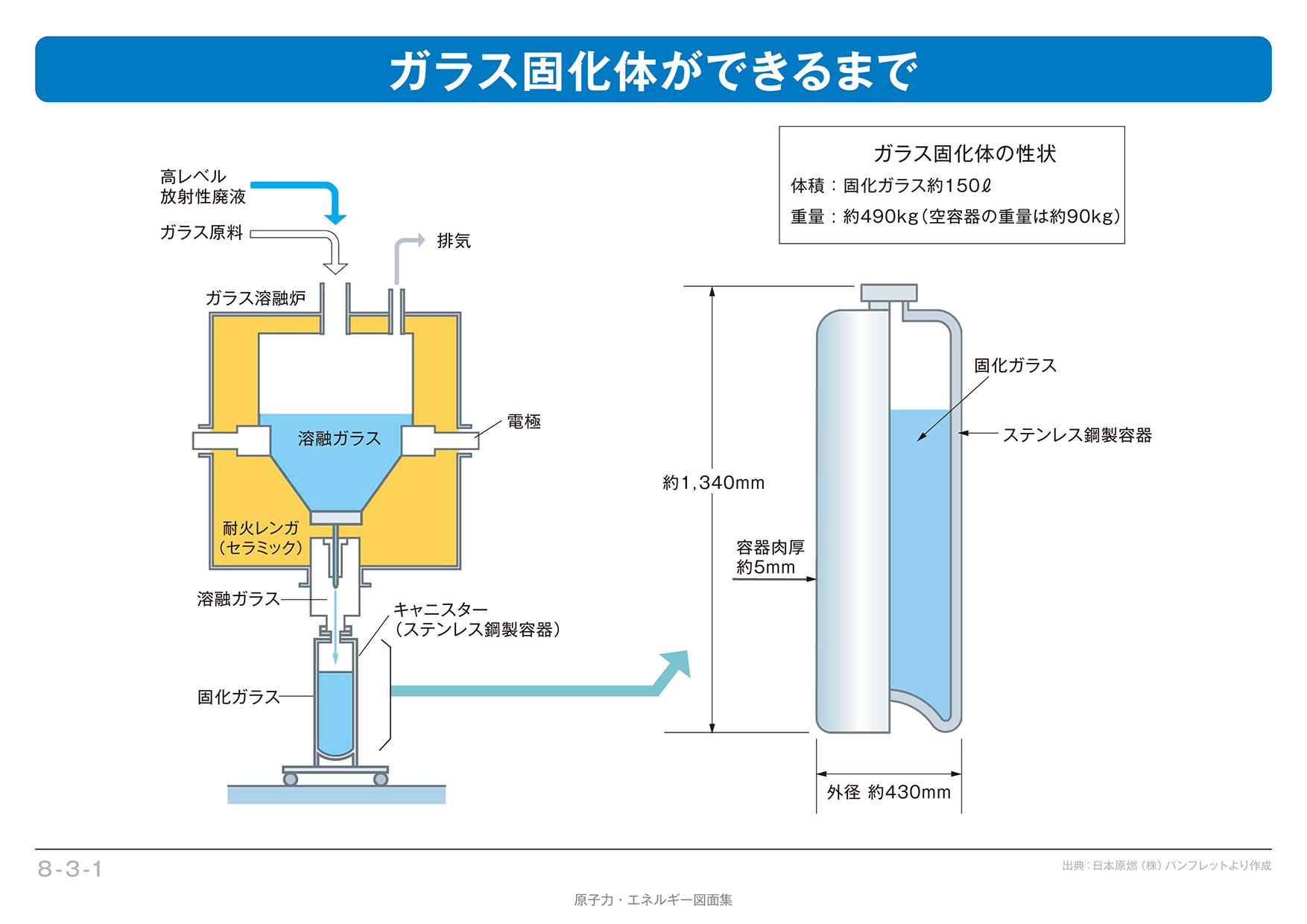
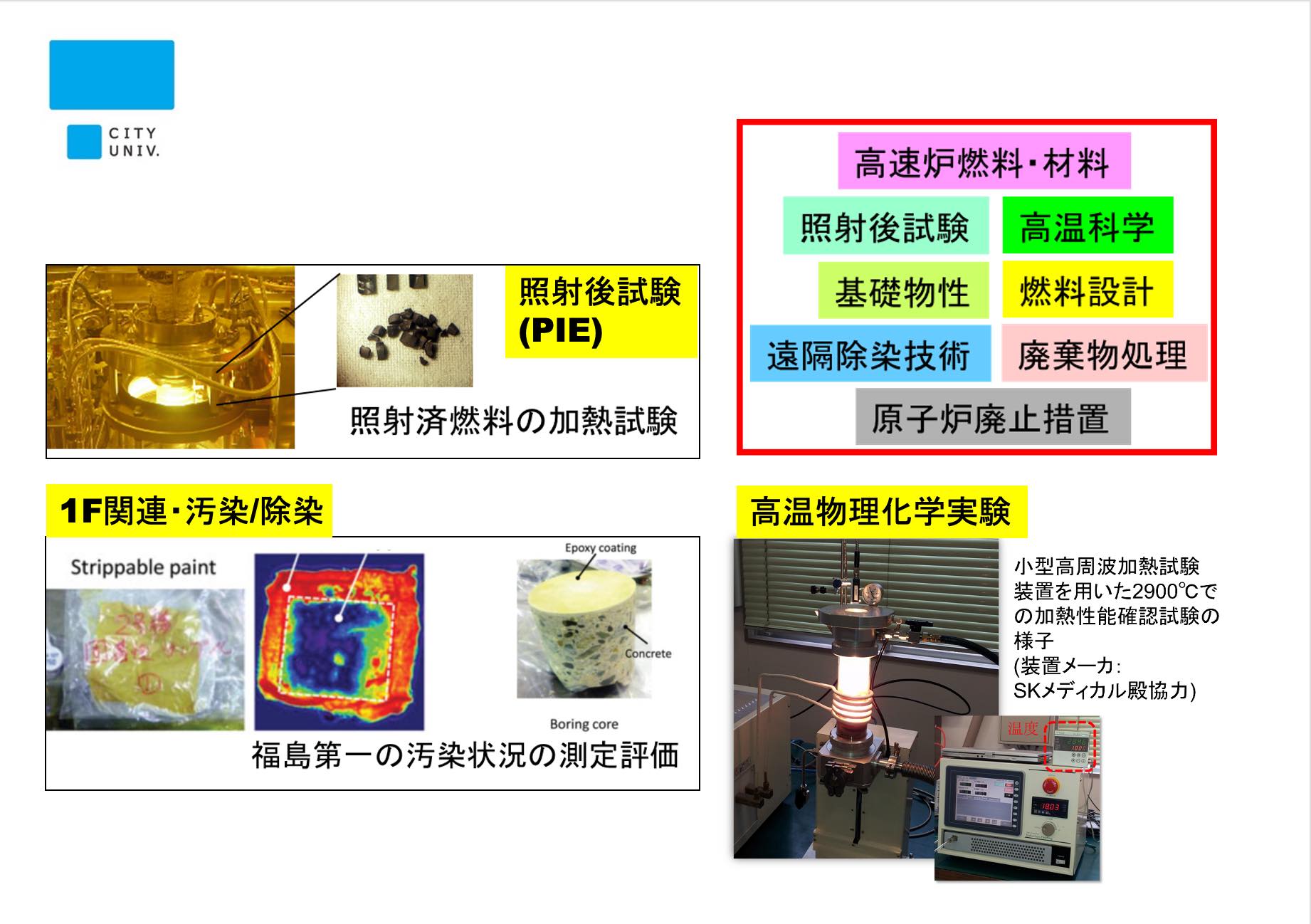
When spent fuel is reprocessed, it is cut into pieces approximately three to four centimeters long and dissolved in nitric acid, allowing reusable materials to be separated from the remaining substances. Materials that cannot be reused are mixed with glass-forming materials at high temperatures and then cooled and solidified inside stainless-steel canisters so that they can be managed safely. The resulting product is known as vitrified waste. Professor Sato turned his attention to fine alloy particles formed within spent fuel. Ruthenium, rhodium, palladium, molybdenum, technetium, and other elements aggregate into particles ranging in size from several tens of nanometers to several micrometers. Because this alloy does not readily dissolve in nitric acid, it remains as an “undissolved residue.” During reprocessing, the residue is incorporated into the glass-forming material. However, because it conducts electricity easily, it alters the electrical resistance of the equipment used to heat the molten glass, disrupting the flow of the glass. Although this presents a challenge for vitrification technology, rhodium, ruthenium, and palladium also possess excellent catalytic properties. Professor Sato is investigating whether these properties could be used in the long-term storage of fuel debris—the solidified mixture of melted nuclear fuel and other materials created by the 2011 accident at the Fukushima Daiichi Nuclear Power Station.
After fuel debris is retrieved, it must be managed in storage containers. When radiation strikes water contained in the fuel debris, the water decomposes and produces hydrogen. If hydrogen continues to accumulate inside a sealed container, the internal pressure may rise. This led to the idea of using platinum-group alloys formed in spent fuel as catalysts inside the containers, promoting a reaction that recombines hydrogen and oxygen to form water. In the laboratory, researchers produce alloys that simulate actual fission products and subject them to radiation exposure tests. By measuring the amount of hydrogen generated from samples containing the alloys, they assess their catalytic performance. They have also found that selectively removing molybdenum through heating can create a structure with microscopic pores on the surface, potentially increasing the surface area available for catalytic reactions. Professor Sato is currently developing equipment capable of heating the alloys while precisely controlling the oxygen concentration, with the aim of clarifying the relationship between their microscopic structures and functions. Importantly, this research is not simply intended to recover precious metals. Actual fission products contain a mixture of radioactive and non-radioactive materials, making it difficult to use them directly in ordinary products. Instead, the research seeks to explore ways of using them in environments where radiation can be properly controlled, or of harnessing radiation itself and the phenomenon of “nuclear transmutation,” in which one element changes into another, as functional properties. “Possible applications might include batteries that supply extremely small amounts of power over long periods, or new material technologies that use the regular transformation of radioactive substances into other elements,” Professor Sato explains. “In the hope of expanding these possibilities, even slightly, I have also proposed a new term: ‘radioactive materials.’”
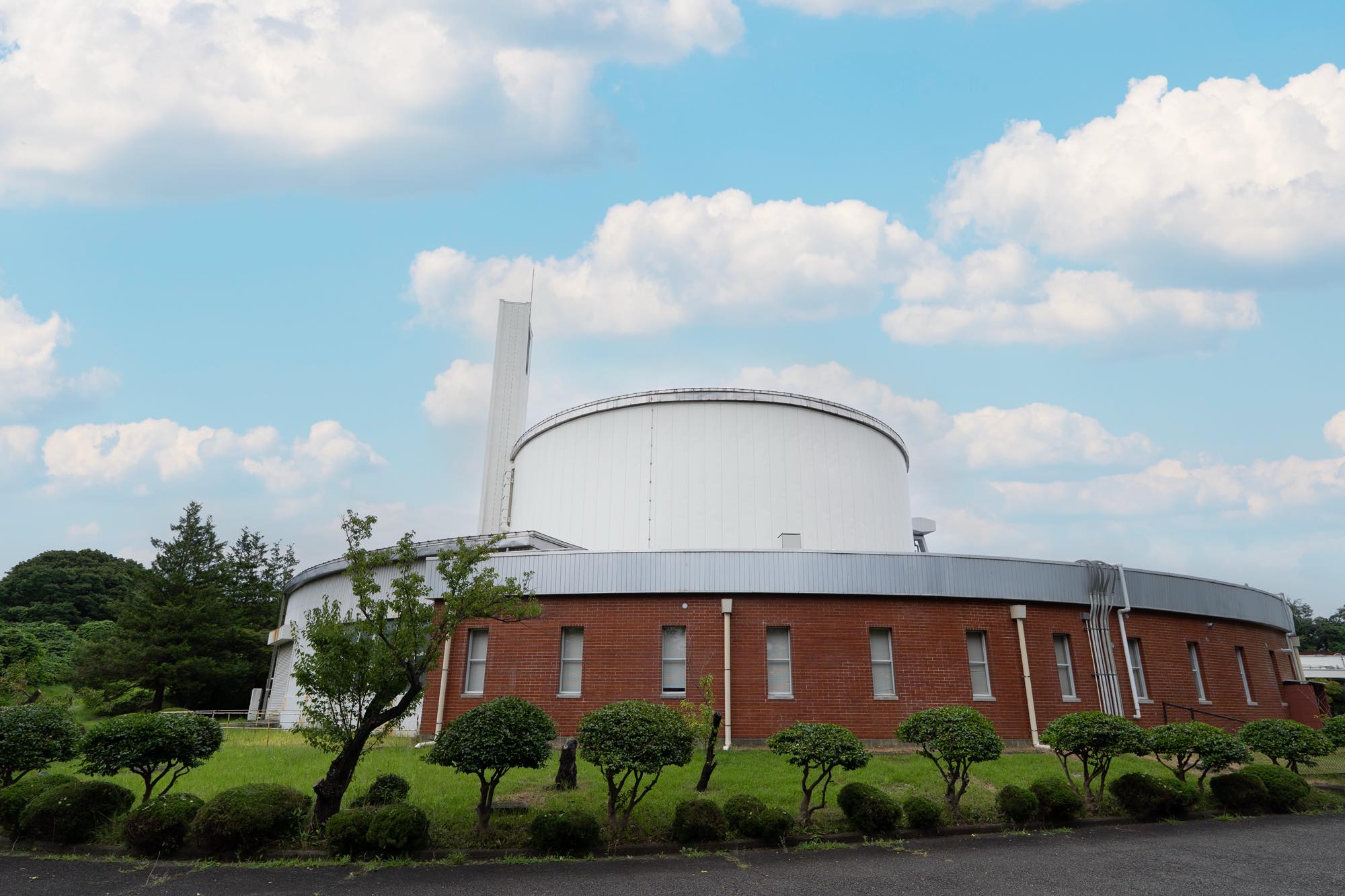
The Atomic Energy Research Laboratory at Tokyo City University, directed by Professor Sato, was established in 1960, when the university was still known as Musashi Institute of Technology, with the aim of advancing the peaceful use of nuclear energy and related technological development. Even among private universities in Japan, only a limited number of research facilities have their own nuclear reactors. Using the Musashi Institute of Technology Research Reactor, commonly known as the Musashi Reactor, the laboratory conducted internationally acclaimed research, including neutron irradiation for the treatment of brain tumors and neutron activation analysis for detecting trace elements. The reactor ceased operation at the end of 1989 and is now undergoing decommissioning. Its nuclear fuel and major equipment have already been removed, but the laboratory continues to use its radiation-handling facilities to conduct research on decommissioning and radiation applications, while also training engineers and researchers who will support the fields of nuclear energy and radiation science in the future. Professor Sato compares the nuclear fuel cycle to the circulation found in satoyama, traditional Japanese rural landscapes where communities coexist with woodlands. A forest does not sustain itself without human involvement. Its cycle depends on people continually cutting grass, maintaining paths, and carefully managing how much timber is harvested. Rather than feeling reassured by the word “sustainable” alone, he argues, we must also consider the work and challenges that lie behind it. “First of all, I want people not simply to be afraid when they hear the words ‘radioactive waste,’ but to understand its properties,” he says. “As understanding grows, I believe ideas such as ‘Perhaps it could be used in this way’ will begin to emerge throughout society.”
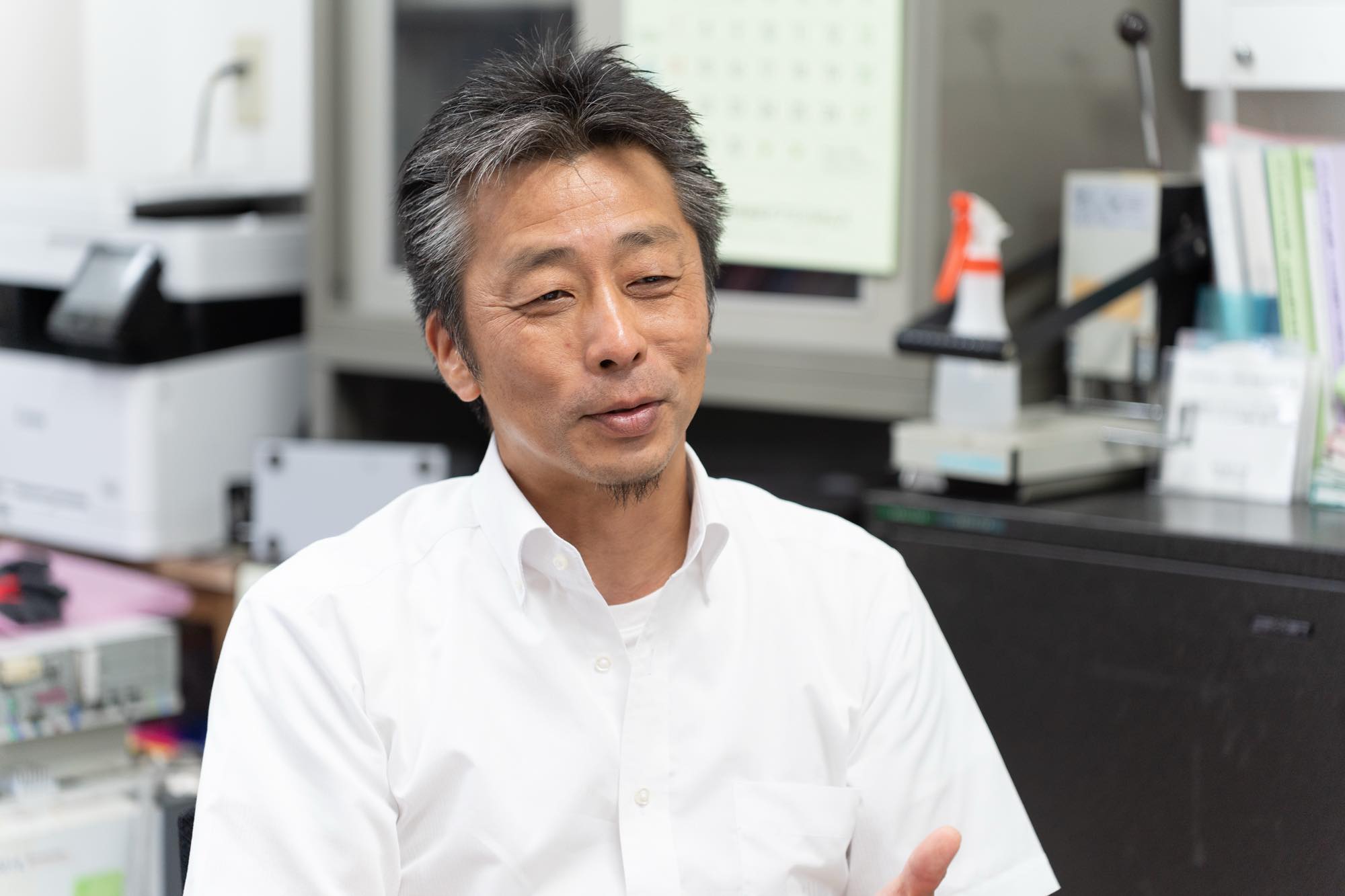
One principle Professor Sato values in pursuing his research is not drawing rigid boundaries between academic fields. Understanding fission products requires both physics, which examines how atomic nuclei change, and chemistry, which investigates the properties of elements. “The Department of Nuclear Safety Engineering has faculty members with a wide range of expertise, including safety, measurement, structural engineering, and nuclear fuel,” he says. “Discussing research from different disciplinary perspectives gives me opportunities to reconsider my own work from new angles. I hope that the younger generation who will shape the future will study broadly, without becoming overly constrained by boundaries between fields such as chemistry, physics, and biology.”
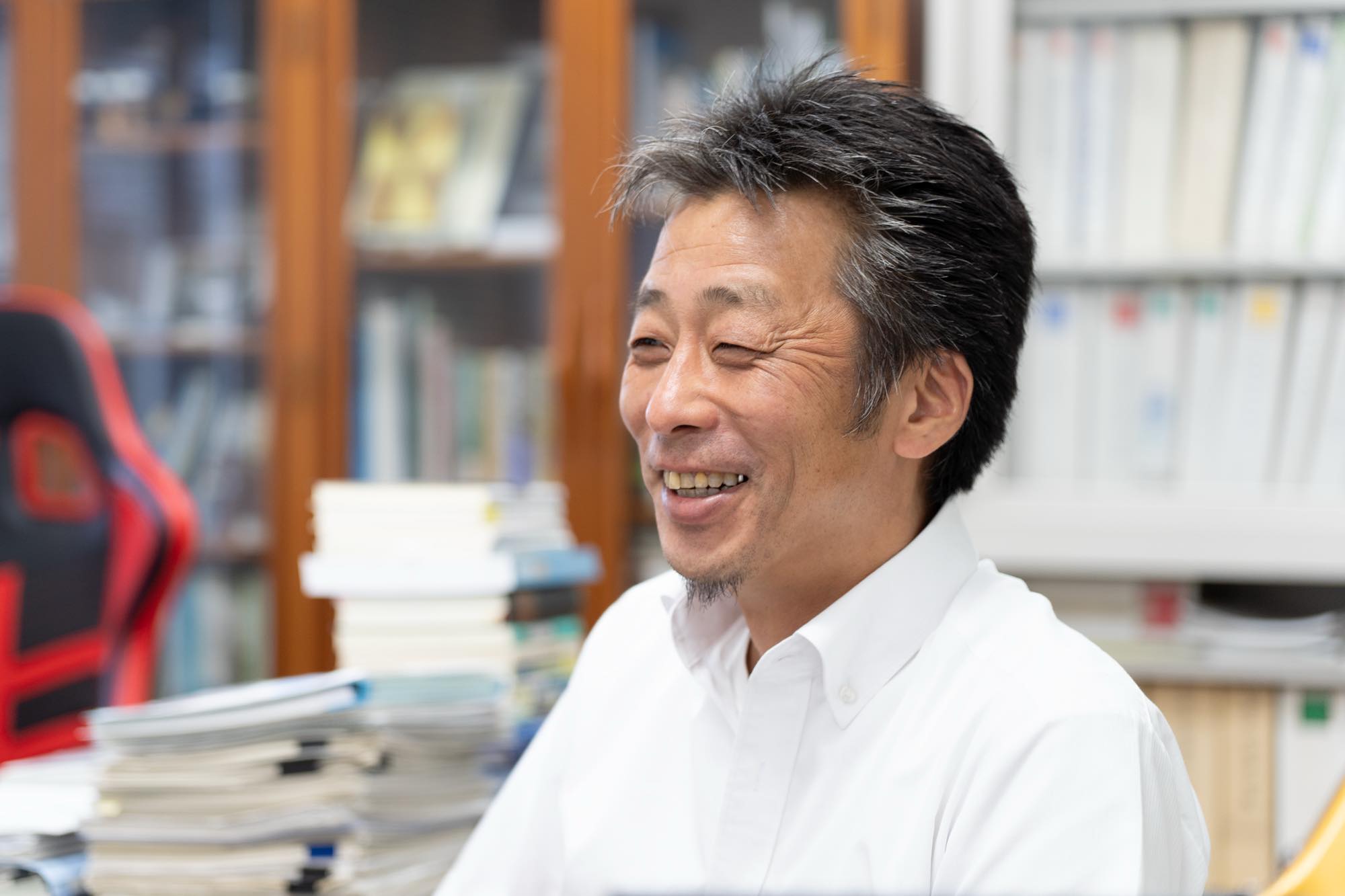
Nuclear energy and radioactivity can seem far removed from everyday life. Precisely because they are invisible, it is essential to understand what is present, how it can be measured, and how it should be handled. Rather than simply distancing ourselves from the substances produced through nuclear fission, we must examine them scientifically and reconsider the roles they might play in society. Looking closely at the contents of radioactive waste, instead of treating it as a single undifferentiated mass to be kept out of sight, is not about creating more problems. It is the first step toward confronting both its possibilities and its challenges as a society.
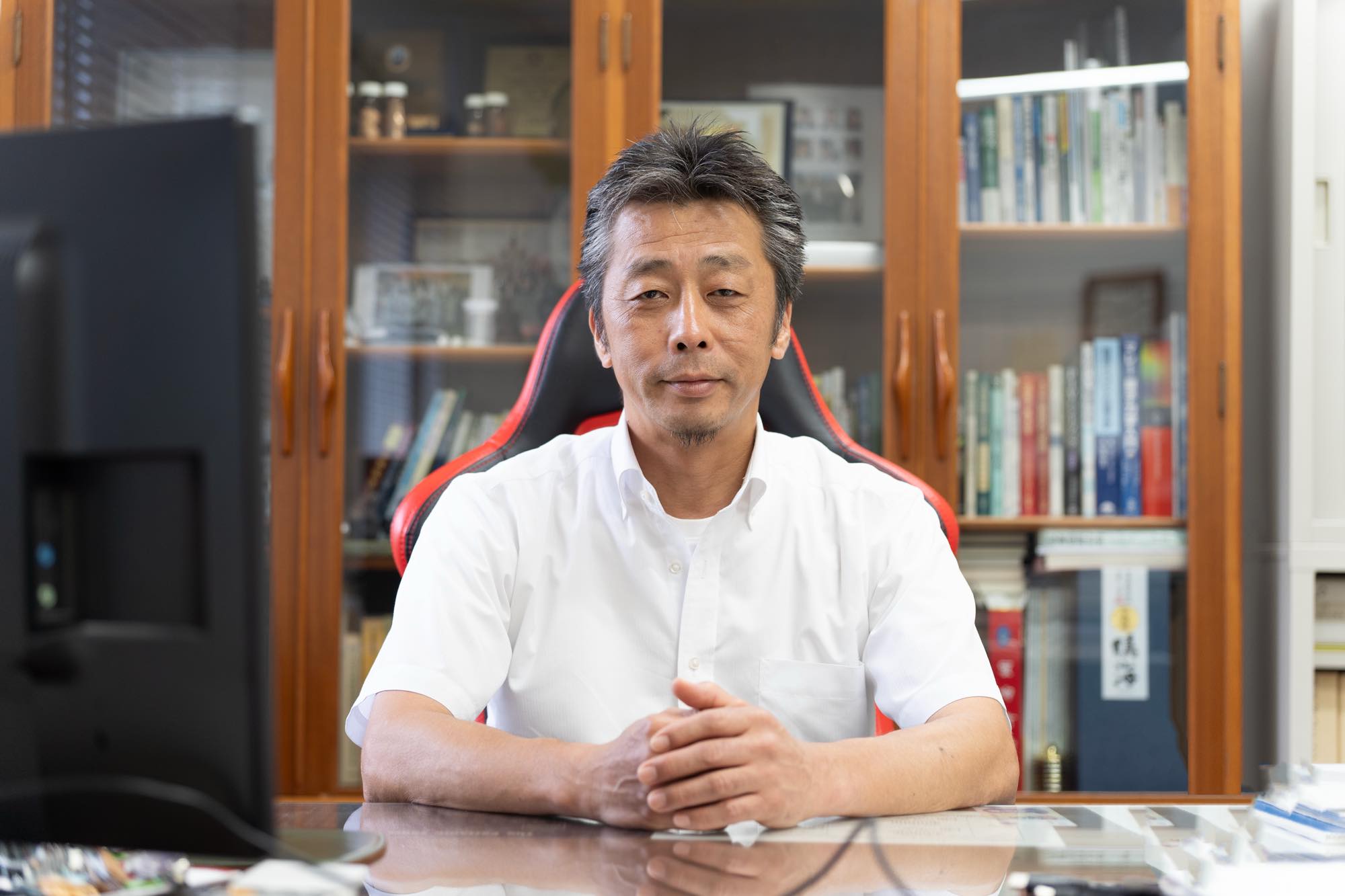
Professor, Department of Nuclear Safety Engineering, Faculty of Science and Engineering, and Cooperative Major in Nuclear Energy, Graduate School of Integrative Science and Engineering. Director of the Atomic Energy Research Laboratory, Tokyo City University. He completed the doctoral program in Applied Quantum Physics and Nuclear Engineering at the Graduate School of Engineering, Kyushu University, in 1999 and received a Doctor of Engineering degree. After working at the Japan Nuclear Cycle Development Institute—now the Japan Atomic Energy Agency—and serving as a Specially Appointed Associate Professor at Tokyo Institute of Technology, he assumed his current positions in 2017.