Machine
Working with Real-World Engines to Forge a Path into the Carbon-Neutral Era
Professor, Faculty of Science and Engineering / Advanced Research LaboratoriesMIHARA Yuji

A fatigue testing machine that applies a load to a metal specimen while rotating it at high speed
All English text on this page has been translated automatically. Some sentences may be unnatural.
Just as our bodies and minds grow tired from daily life and various activities, fatigue accumulates and can lead to illness or injury. But did you know that the metals used in the countless structures that support our lives are also subject to fatigue? Under repeated stress, metals silently degrade—and by the time a crack appears on the surface, the damage has often already reached a critical stage. This phenomenon, known as “metal fatigue,” has caused major accidents etched in public memory, inflicting enormous harm on society. “How safe is this metal material?” “Is this flaw dangerous, or within acceptable limits?” The technology that provides scientifically grounded answers to these questions is the very foundation of safety and security. Professor Naoto Shiraki of the Faculty of Engineering and Science has dedicated himself to uncovering the hidden mechanisms of fracture and upholding the credibility of Japanese manufacturing. In this feature, we are also joined by Hirotomo Seki, a graduate of the Shiraki Laboratory who now works at Proterial Ltd., a manufacturer of high-performance materials, where he collaborates with the laboratory on joint research. Together, they offer insight into Professor Shiraki’s work from both industrial and alumni perspectives.
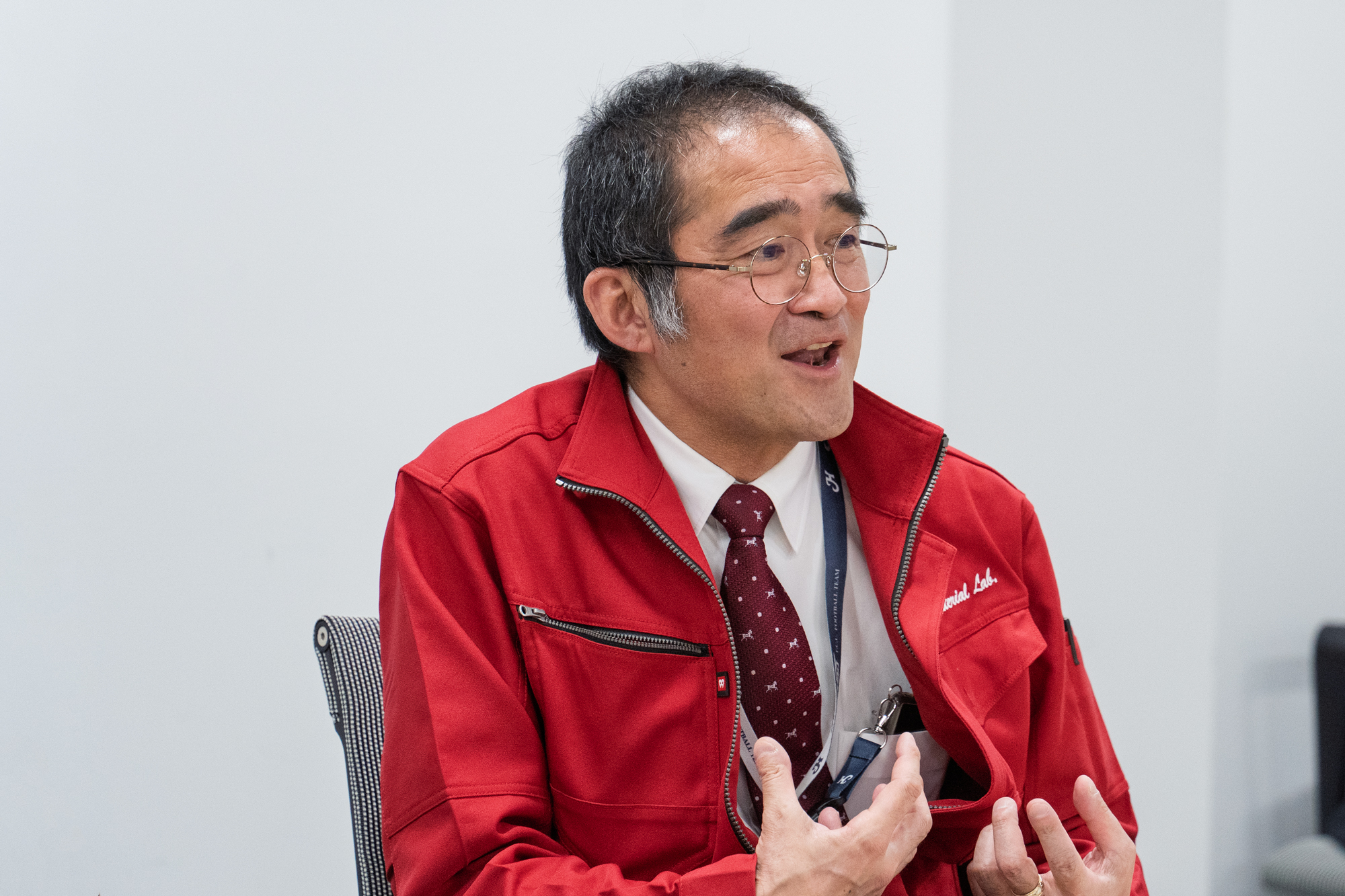
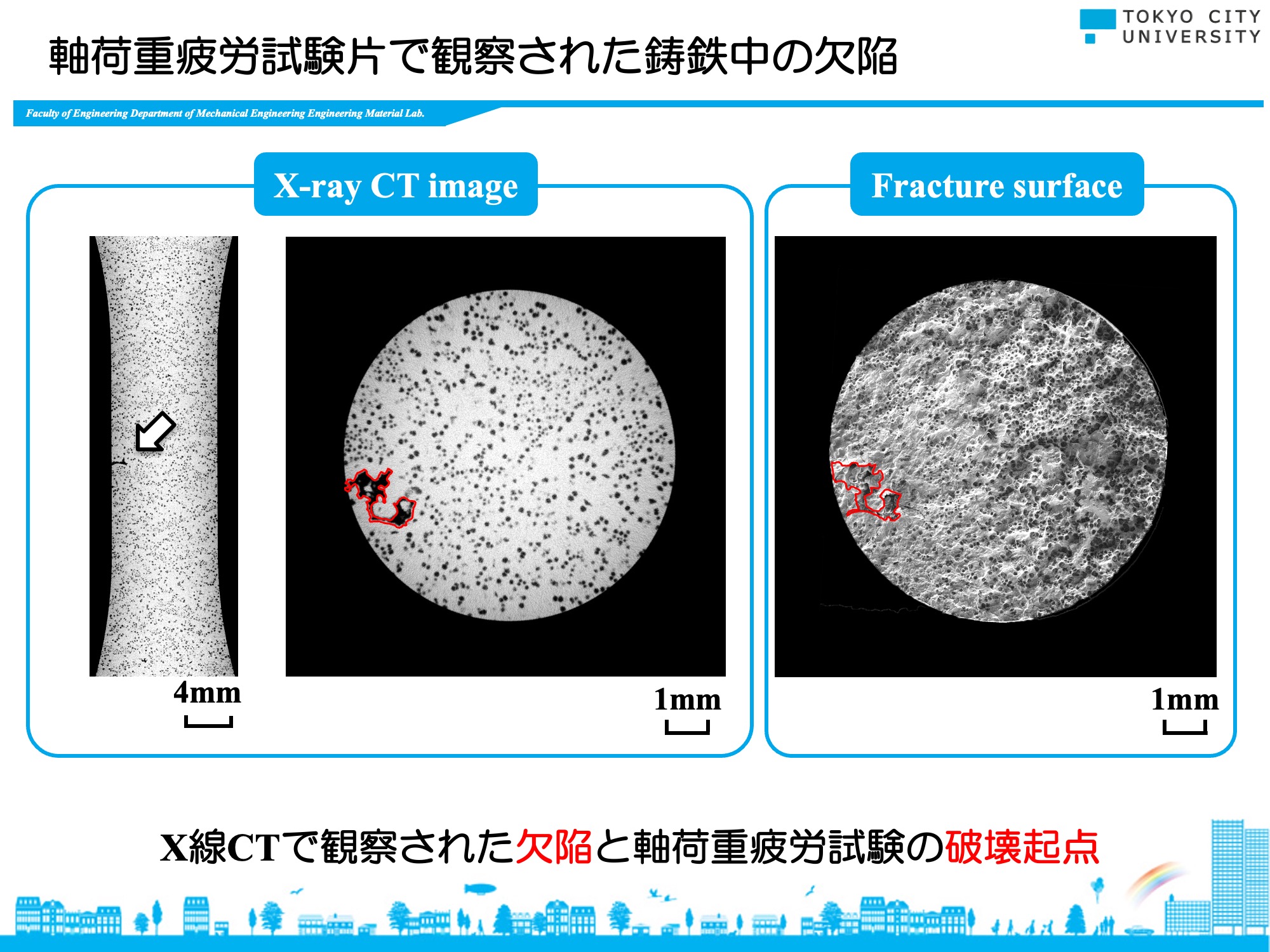
Professor Shiraki’s research focuses on elucidating the mechanisms of metal fatigue through experimentation and measuring the true strength of materials. Specializing in materials evaluation, he derives precise data on properties such as hardness and strength, providing metal manufacturers and others with the scientific basis for design and quality assessment. At the heart of his research lies a crucial distinction: the presence of a defect does not necessarily mean danger. By clarifying when cracks initiate, how quickly they propagate, and at what size they become critical, his work makes it possible to scientifically differentiate between a truly dangerous condition and one that remains acceptable. “What’s frightening are cracks that grow from the inside,” he explains. “They’re invisible until they reach the surface—and by the time they do, they’re already very large. That’s why we need both regular maintenance and accurate evaluation techniques.”
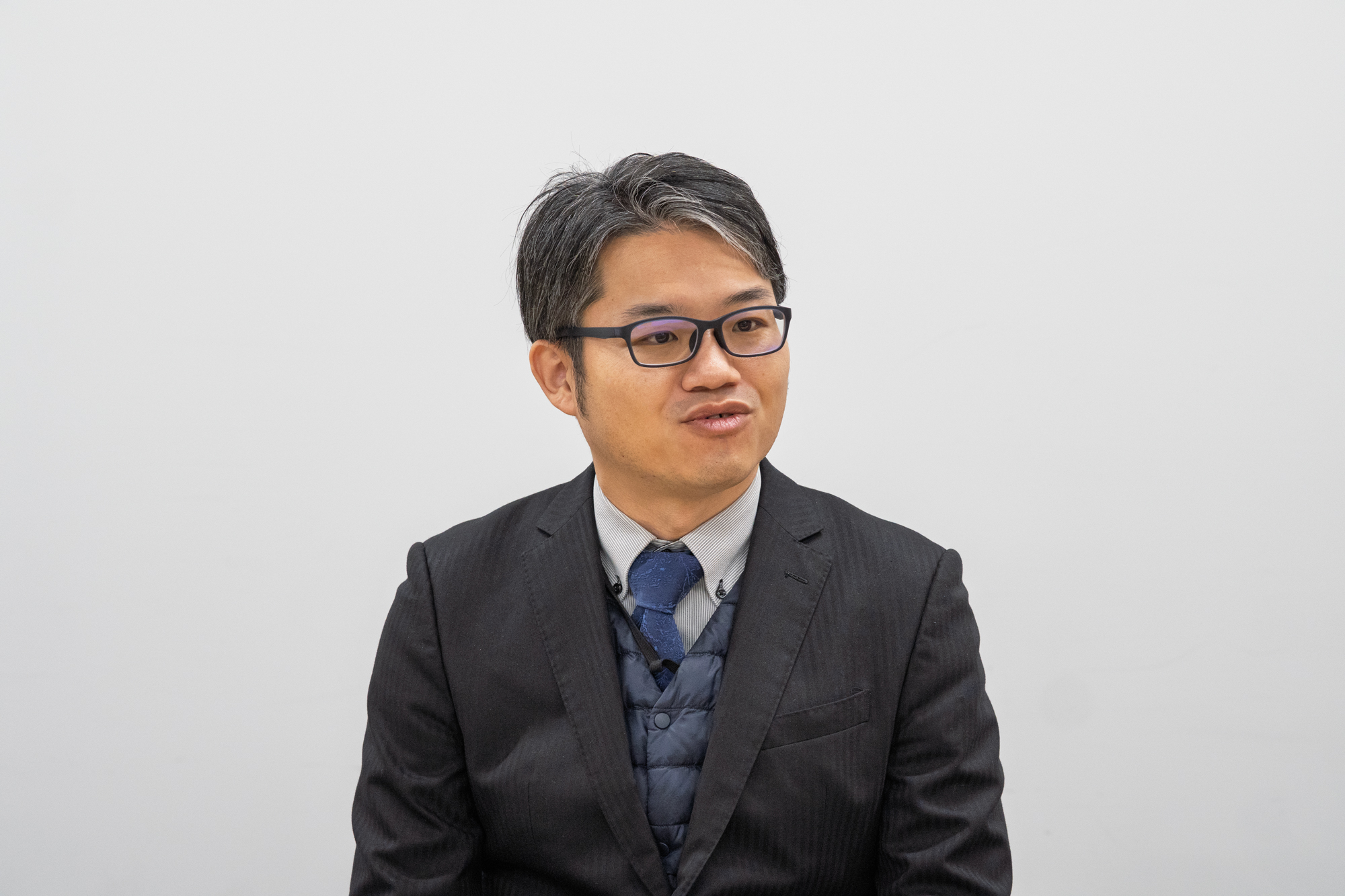
Seki, a graduate of the Shiraki Laboratory, works at Proterial Ltd. (https://www.proterial.com/e/), a materials manufacturer handling a diverse range of high-performance materials including steel, ceramics, and copper wire. The company produces everything from ultra-thin sheets resembling razor blades to large products weighing over ten tons, underpinning Japanese manufacturing at its core. Among its operations, the production of specialty steel is central to the business, supplying materials to a broad range of industries including automotive, aerospace, and electronic devices. Seki has spent 15 years at the company working on the development and quality evaluation of specialty steel. Specialty steel is iron to which various alloying elements are added—for example, adding nickel makes it tougher, while tungsten makes it extremely hard. Professor Shiraki likens these additives to dietary supplements for humans.
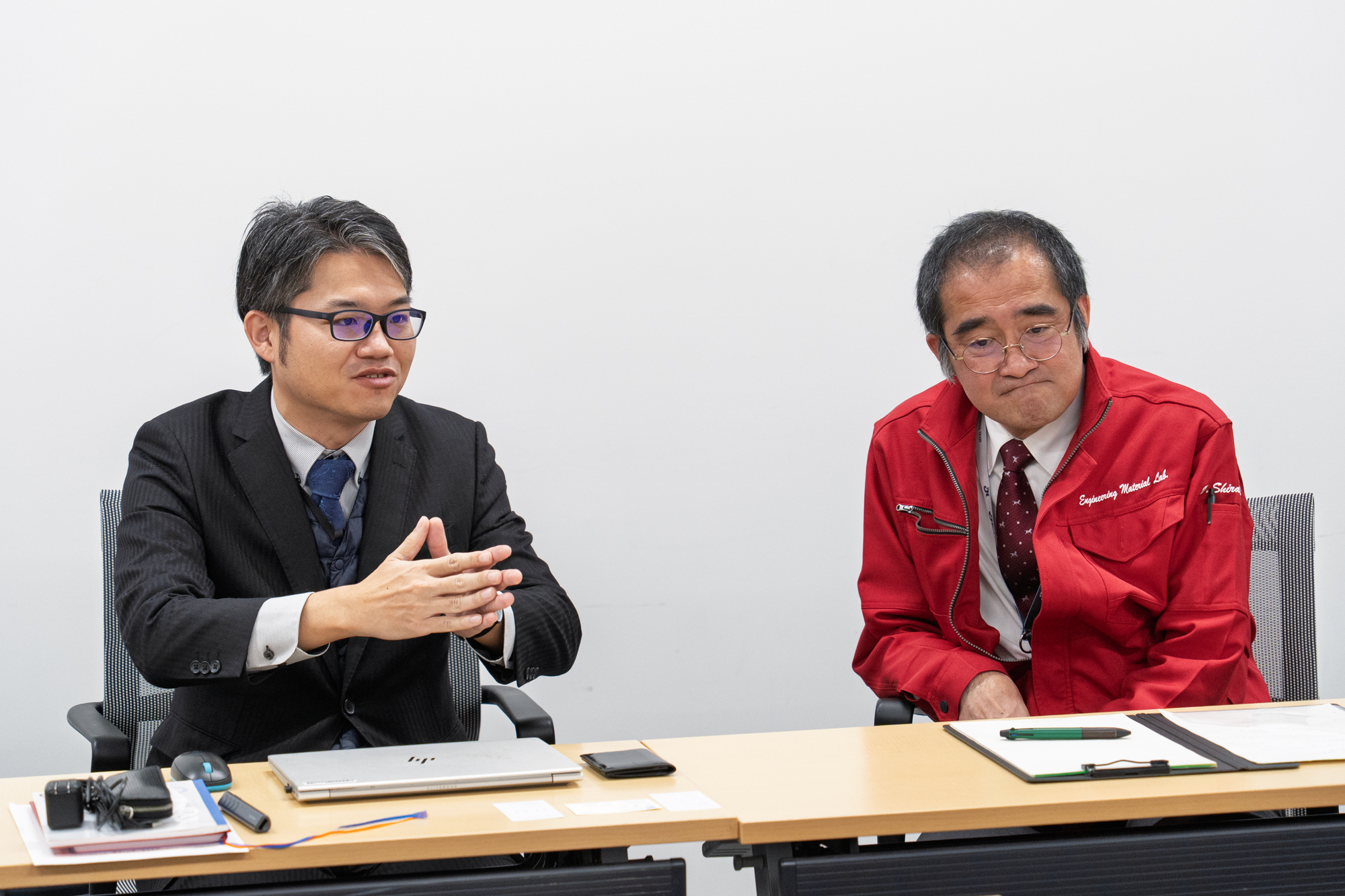
Through joint research with the Shiraki Laboratory, Seki is also working to understand the long-term strength properties of his company’s products. “We provide materials, and Professor Shiraki’s lab evaluates them. The idea is that when a new material is developed, we have its strength assessed, and when a problem arises, we ask the lab to clarify—from a materials perspective—why it happened. Urgent issues can be handled in-house, but for questions that require patient, long-term investigation, I believe that’s exactly where collaboration with a university is most valuable.”
Researchers capable of playing this role are increasingly rare. The study of fatigue in cast iron—Professor Shiraki’s long-standing specialty—has seen particularly few practitioners in recent years. He recalls that when he began his research, it was not unusual, but as academic fields became increasingly specialized, fewer researchers continued in this area, and before he knew it, he had become recognized as a leading authority. “There are a fair number of metal fatigue researchers across Japan, but when it comes to fatigue in cast iron, there are almost none. Before I realized it, the number of people working in this area had become countable on one hand.”
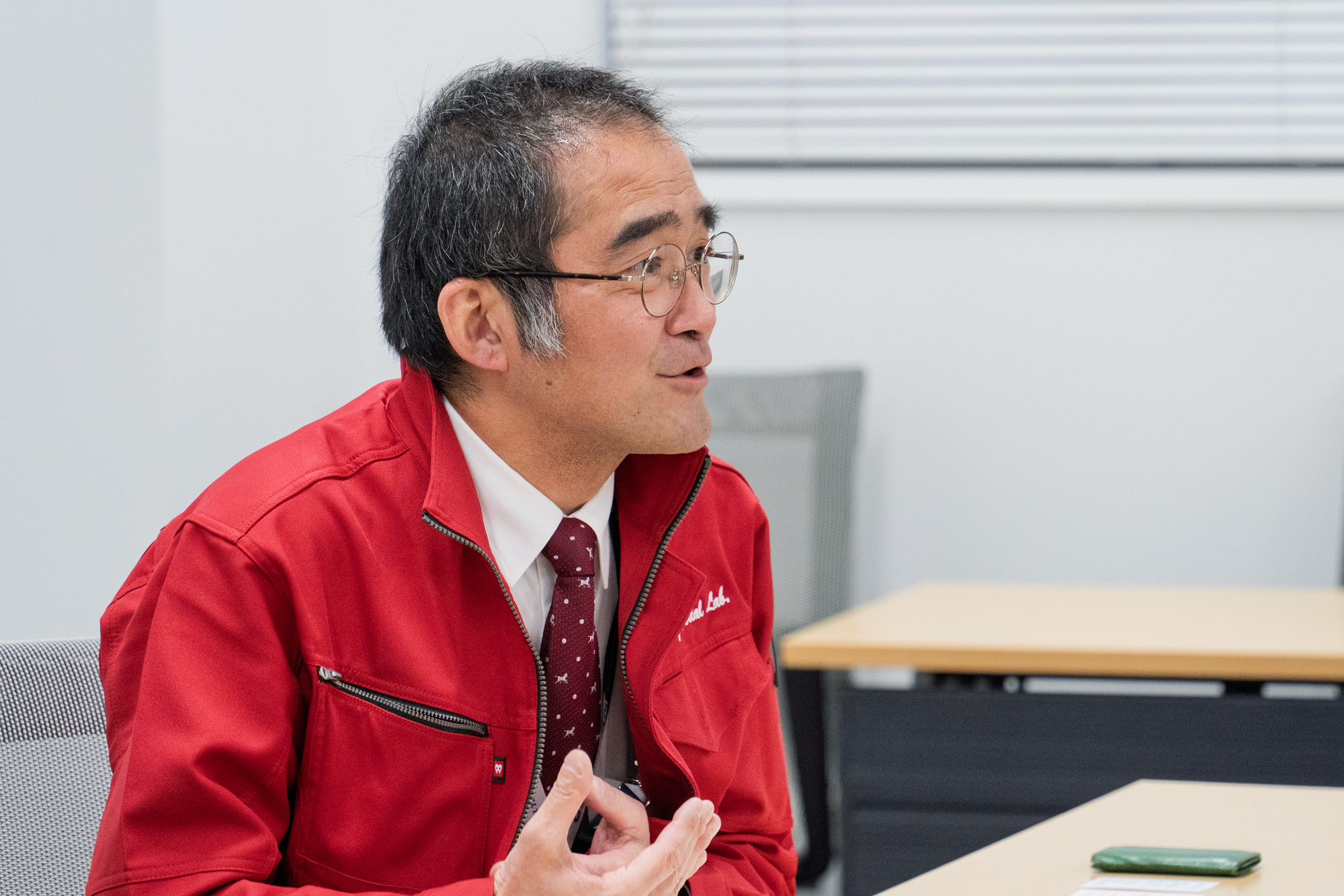
Professor Shiraki originally aspired to become an industrial designer, but his path to an art school did not go as planned. A high school teacher suggested that if he wanted to apply his skills in sketching and form-making, mechanical engineering or architecture would be the way to go—and so he chose the path of machines. The turning point that shaped him as a researcher came with the crash of Japan Airlines Flight 123 in 1985. He was deeply drawn into the process by which the cause of that devastating accident was gradually uncovered. In the course of his career, he received words that have stayed with him ever since. “I had the opportunity to meet someone who had lost a family member in the JAL jumbo jet crash. They said to me, ‘Because researchers like you exist, I can feel that my aunt’s death was not in vain.’ It was the first time I had ever been thanked so directly, and I was truly moved. It was a moment that reminded me, once again, that what I do is not without meaning.”
Seki, for his part, spent his student years researching surface coating evaluation of materials while also gaining hands-on experience through joint research with small and medium-sized enterprises. Receiving research funding from a company meant taking responsibility for delivering results, and managing an entire project—including mentoring junior students—gave him a sense closer to professional life than student life. “Without that experience, I think I would have struggled much more after entering the workforce. I believe it was my time in the laboratory that meant I didn’t have much trouble bringing a team together. Professor Shiraki was very strict. From basic conduct—like greetings and keeping things tidy—down to the minutest details of experiments, he never allowed half-measures. If you cut corners, you’d get a serious scolding. Most university professors wouldn’t go out of their way to instruct students on something as basic as how to greet people. But the professor paid attention to each student’s character and spoke to us as individuals. I don’t think that’s something many people are able to do.”
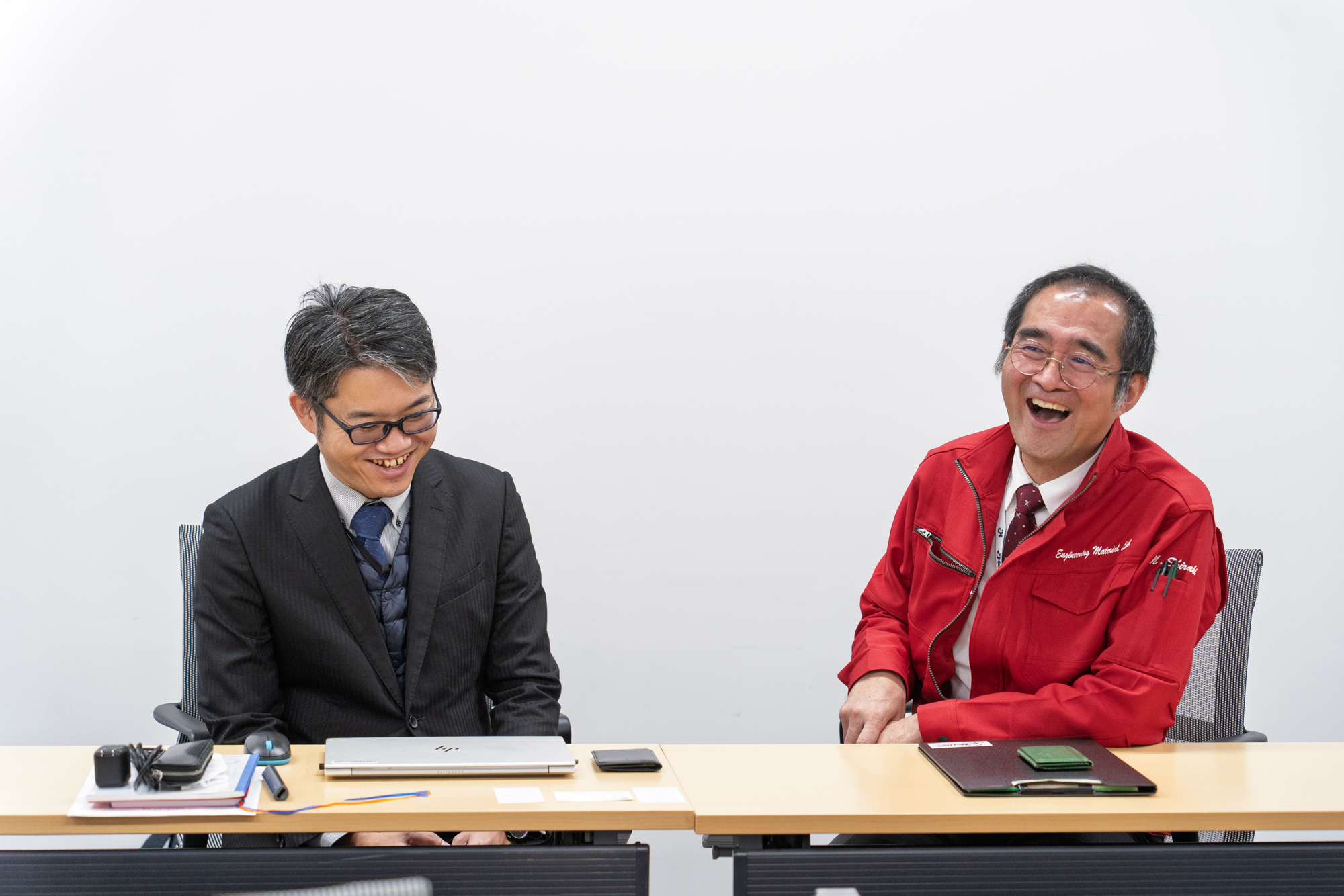
Professor Shiraki has his sights set on two new challenges. The first is establishing evaluation techniques for toughness—the ability of a material to resist fracture. A biscuit is hard and strong, but once a crack forms, it snaps cleanly in two. A castella sponge cake, on the other hand, is soft, but even when cracked, it resists breaking apart. According to Professor Shiraki, metals also require this kind of castella-like toughness. More complex than evaluating strength or hardness alone, advancing this research would complete a comprehensive suite of material evaluation techniques. The second challenge is assessing the strength and fatigue properties of additively manufactured metal powder components. Because metal additive manufacturing involves building up layers of powder, microscopic voids tend to form more readily than in conventional production methods. “If we can properly evaluate how these microscopic voids affect strength, we may also find ways to turn that to our advantage in design—for example, impregnating the voids with oil to create maintenance-free components. The possibilities open up considerably.”
The importance of this research cannot be separated from the serious challenges facing Japanese manufacturing. The “high quality” that once defined Japanese industry is now under threat from the rapid technological advances and cost competition of emerging economies. Differences in capital investment and labor costs mean that materials once exclusive to Japanese production can now be manufactured overseas at lower cost. Even more serious is the decline in the number of engineers and researchers who underpin that quality. The number of people capable of accurately evaluating materials continues to shrink year by year. Without people who can evaluate accurately, no matter how superior a material may be, its true value cannot be proven. Professor Shiraki describes his work in these terms: “I believe that protecting the technology and the people who can correctly judge what fails and what passes—bad is bad, good is good—is what it means to protect Japanese manufacturing. That is the greatest contribution I can make. You might say I see myself as a guardian of integrity.”
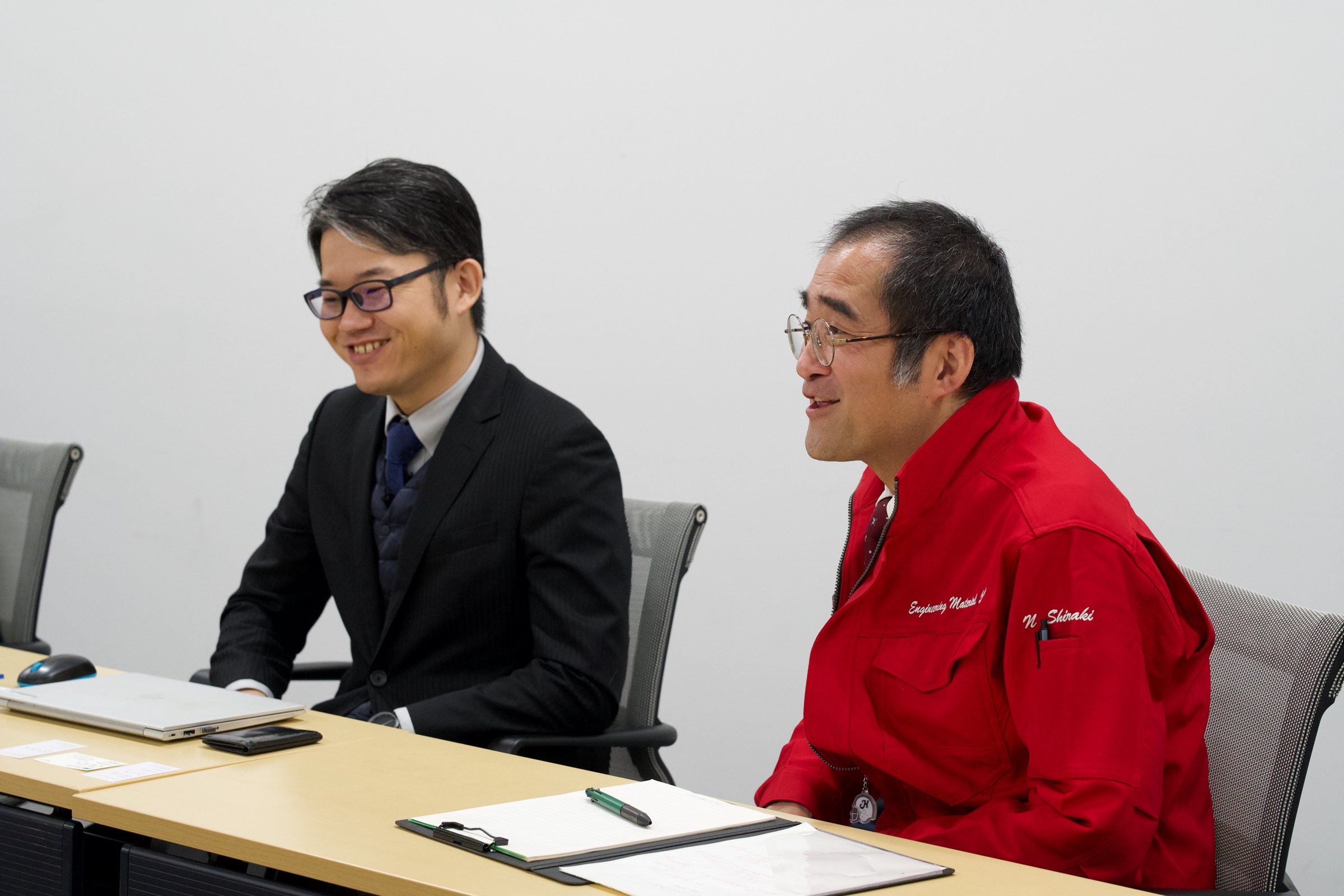
The countless structures around us do not continue to function safely by chance. It is because there are people who can see—through the lens of science—the progression of invisible cracks, and people who can interpret their meaning and advance technological development, that we are able to live our lives with peace of mind. Students gather in Professor Shiraki’s laboratory today as they always have, continually asking what the true strength of a material really means—and in doing so, honing their strength not only as researchers and engineers, but as human beings.
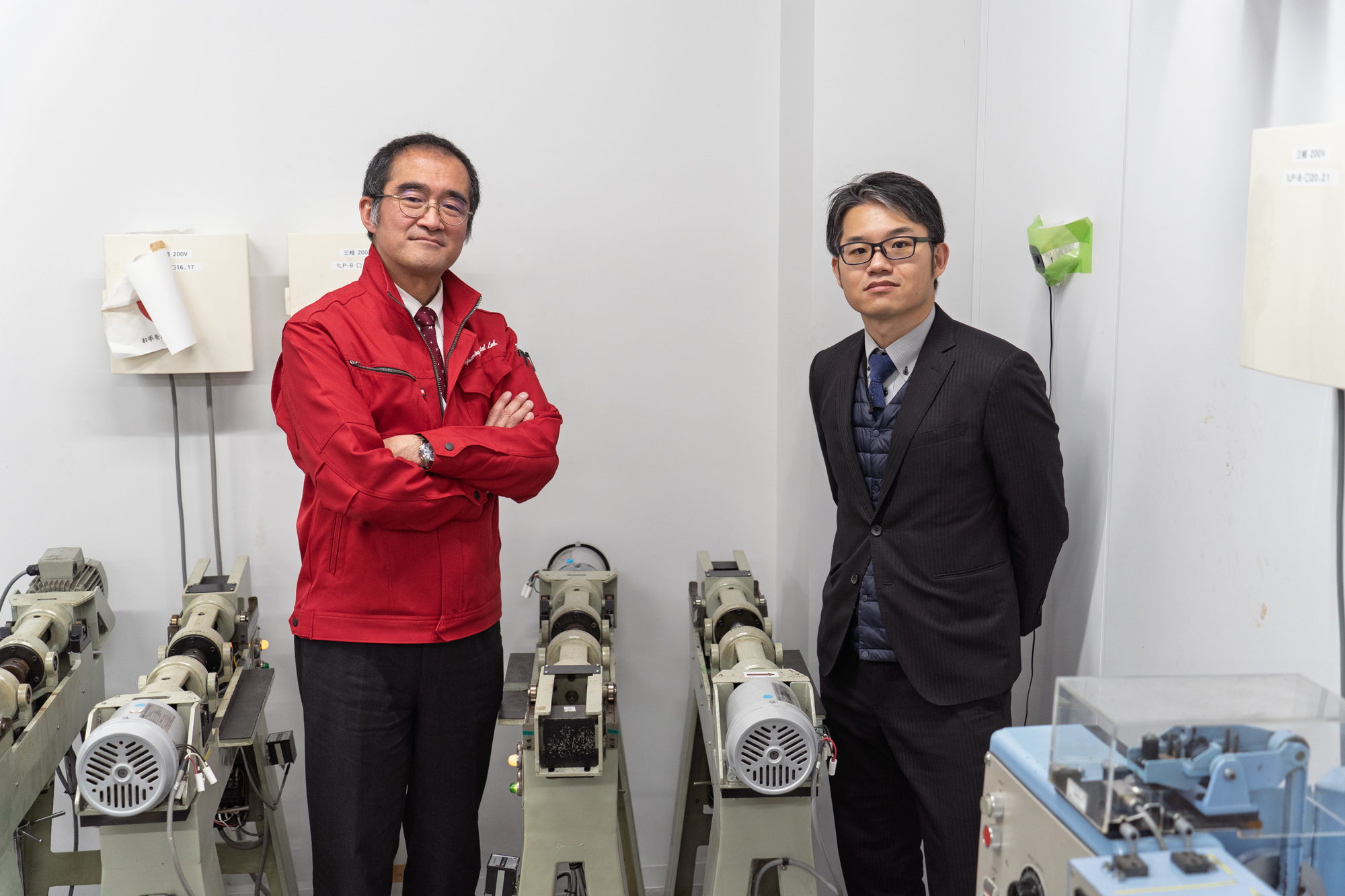
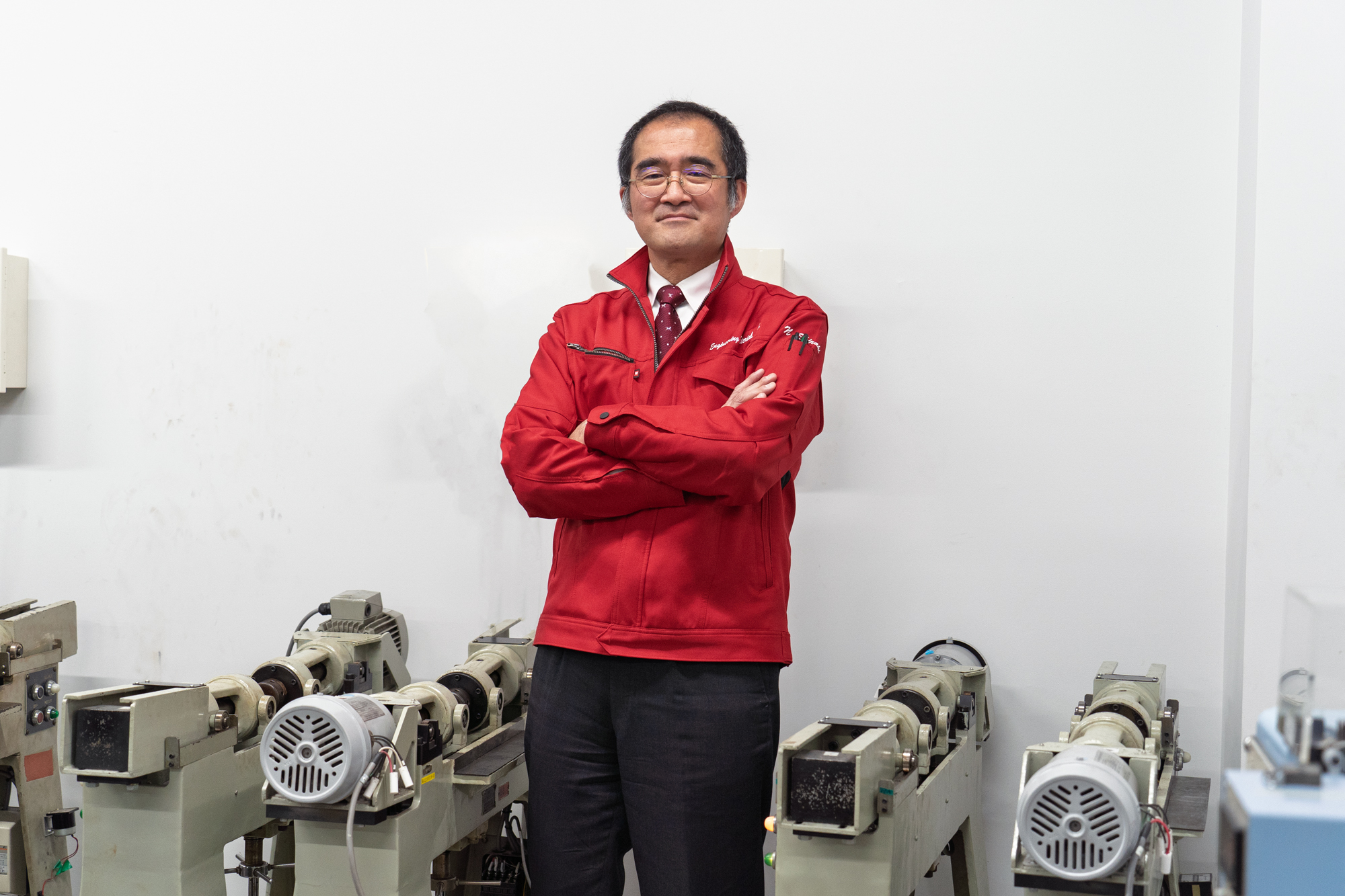
Professor, Department of Mechanical Engineering, Faculty of Science and Engineering / Mechanics, Graduate School of Integrative Science and Engineering. In 1996, completed the Doctoral Program in Mechanical Engineering at the Graduate School of Engineering, Musashi Institute of Technology (now Tokyo City University), earning a Ph.D. in Engineering. Joined the university as a Research Associate in 1997, later serving as Associate Professor, before assuming his current position in 2014.