Machine
What Drives a Sustainable Future?
Faculty of Science and Engineering ProfessorITO Akemi

A Track Greening Experiment on the Toden Arakawa Line
All English text on this page has been translated automatically. Some sentences may be unnatural.
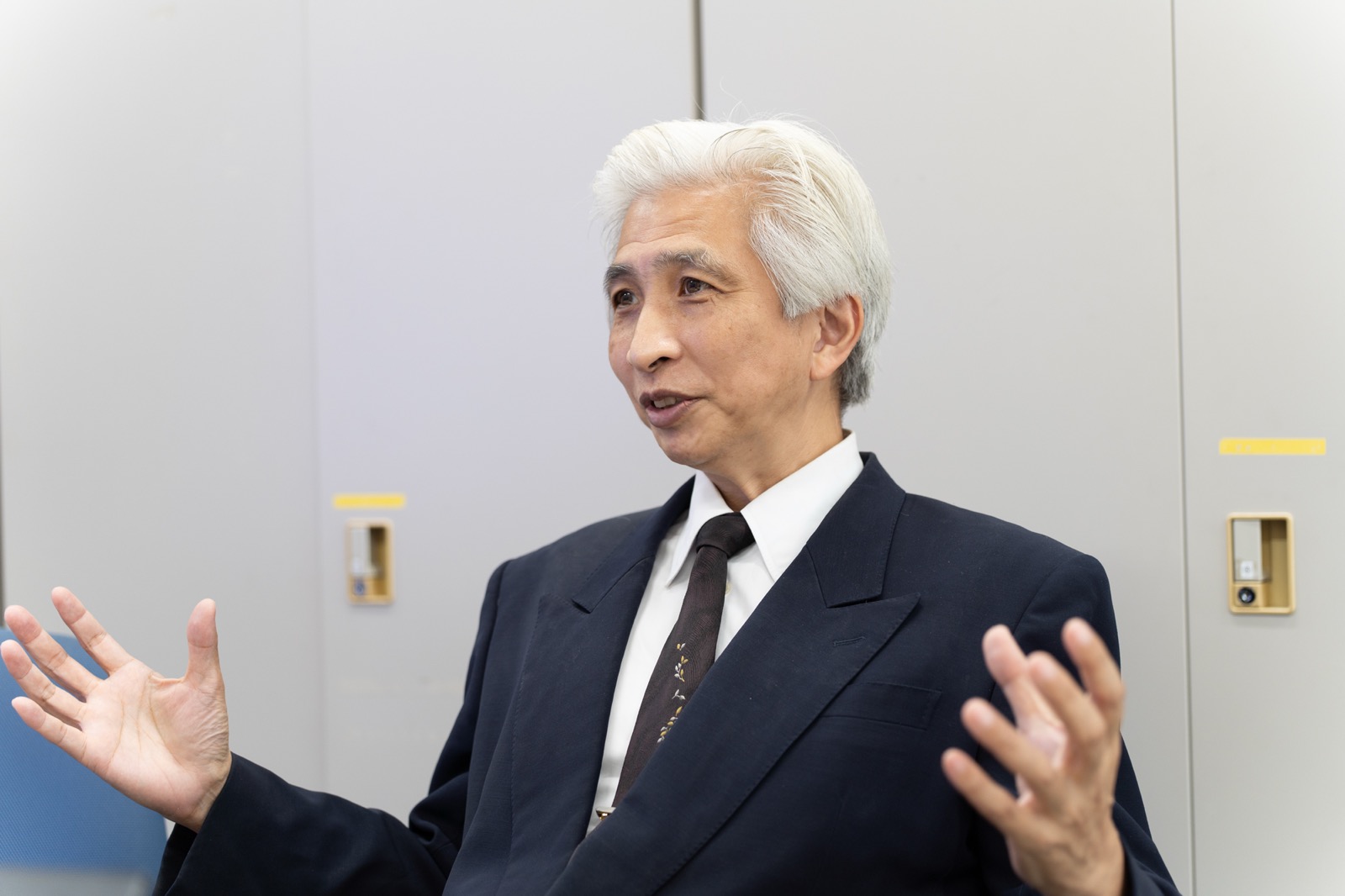
When walking outdoors on a hot summer day, stepping into the shade of a large tree brings a welcome sense of relief. Some people may also find daily pleasure in strolling through parks or admiring the plants in their homes. The greenery around us does more than simply beautify our cities. It helps mitigate heat, absorb rainwater, and create spaces where people can walk and gather. But where should we introduce greenery, and how should we use it to make the most of these benefits in our daily lives? Professor Kentaro Iijima of the Faculty of Environmental Studies explores the relationship between greenery and people from a wide range of perspectives, from investigating the characteristics of plants to proposing new approaches to urban spaces and lifestyles.
The key concept underlying his research is “green infrastructure.” This approach incorporates the functions of nature into the systems that support society to address local challenges. Urban parks form the foundation of this concept. By connecting them with street trees, vegetation along rivers, green roofs and walls, and private gardens, it becomes possible to consider the environment of an entire city. Rather than existing as isolated patches of greenery, these spaces can form interconnected networks that support the movement of wildlife while creating attractive routes for people to explore on foot. The goal is not merely to increase the amount of greenery, but also to consider how that greenery functions. “Parks, especially urban parks, inevitably tend to exist as isolated points. The idea is to connect those points through greenery.”
As an example of this approach, Professor Iijima points to Portland in the United States. Planted areas alongside roads are designed at a lower elevation so that rainwater can flow into them. Rain falling on buildings is temporarily retained by vegetated rooftops. Rather than directing all rainwater immediately into the sewer system, this approach captures it at various locations throughout the city, allowing it to infiltrate the ground or flow away gradually. At the same time, these spaces provide habitats for wildlife and places where people can relax. Instead of maximizing a single function, the aim is to combine multiple benefits and identify the best solution for everyone involved. This is Professor Iijima’s vision of green infrastructure. “It may not be a perfect solution, but the goal is to create infrastructure that achieves the best possible outcome, one that everyone involved can agree on. That is the fundamental idea behind green infrastructure.”
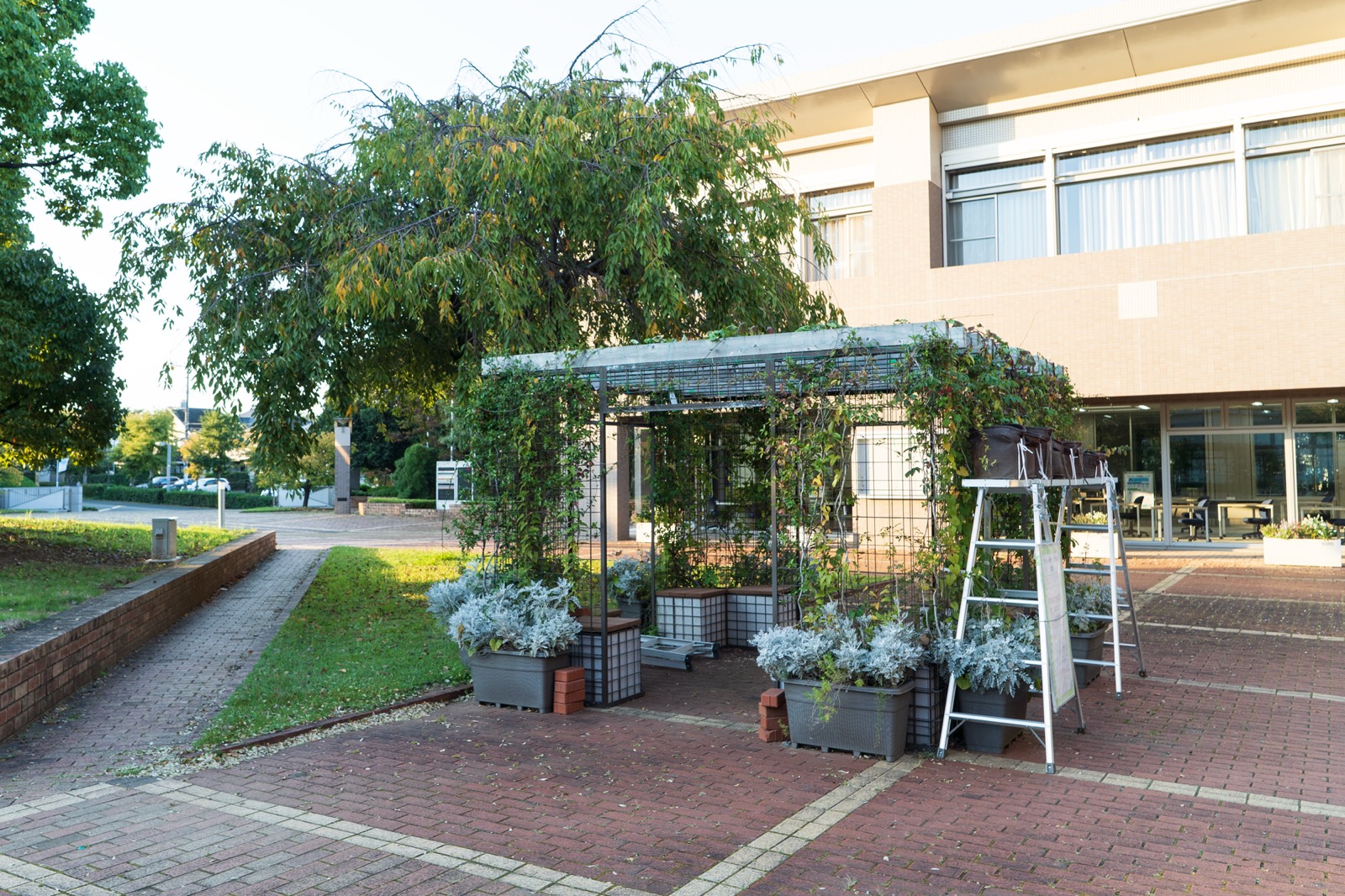
One of Professor Iijima’s current research priorities is mitigating urban heat. His focus extends beyond air temperature alone. Radiant heat emitted from sun-heated roads and walls, which reaches the human body, is another important factor. At the Yokohama Campus, he has investigated thermal environments using pergolas that create shade with vegetation. In a vertical greening project at the Ohashi Junction of the Metropolitan Expressway, he examined how different pruning schedules and vegetation thicknesses affect thermal conditions. Rather than simply planting greenery and leaving it there, his research evaluates its performance over time, including the effects of ongoing maintenance.
His greening research has also extended to railway tracks. Along the Toden Arakawa Line, he conducted an experimental track greening project using sedum, a group of drought-tolerant succulent plants. Because sedum does not grow taller than the height of the rails, it does not interfere with train operations. The project compared surface temperatures between vegetated and gravel-covered sections of the track and investigated visiting insects and soil-dwelling organisms to understand how the environment changed. Students participating in the surveys received safety training beforehand and carried out their investigations while remaining alert to approaching trains. Although not directly related to the research findings, Professor Iijima believes that this experience provided valuable lessons for the students. “I hope they learned that safety must always come first when working in the field. Obtaining research results alone is not enough for students. I want them to grow by learning from the companies, local communities, and various other people we collaborate with in our research.”
Professor Iijima’s interest in plants began with a red cactus he purchased during his first year of junior high school. He found it mysterious, charming, and fascinating. As he continued caring for it, his interest deepened, and he eventually began visiting a commercial cactus grower. Seeing the young Iijima’s endless questions, the company’s president gave him a corner of a greenhouse and some cacti that had lost their commercial value, encouraging him to experiment for himself. There, he gained experience in a wide range of tasks, from preparing soil and creating mixed plant arrangements to delivering and selling plants. One piece of advice he heard repeatedly during that time remains deeply engraved in his memory. “He often told me, ‘Flowers and greenery are a feast for the eyes.’ He also encouraged me to study ways of using plants to enrich ordinary people’s lives, rather than simply collecting them for my own enjoyment. I didn’t fully understand what he meant at the time, but looking back, I realize that those words still guide what I do today.”
As his plant collection at home grew, he spread a thin layer of soil over the roof of a storage shed and planted succulents there as well. He wondered whether covering the roof with plants might help cool its surface, which became extremely hot in the sun. That simple question inspired his experiment. Later, while studying at university and considering a graduation research topic in an urban greening laboratory, he discovered that the succulents he had grown for years were being used for green roofs in Germany. Could the same approach work in Japan? This question brought together his long-standing passion for cultivating plants and his academic research.
His research subsequently expanded to include human health. One turning point came when he had an opportunity to teach public health. While considering the health of schoolchildren and older adults, he began to recognize the connections between human well-being and environments containing parks and plants. This led him to explore horticultural therapy programs as well. Greenery provides environmental benefits simply by being present. But it also offers additional benefits when people enter green spaces, walk through them, touch plants, and actively use those environments. Professor Iijima considers both the benefits derived from the presence of greenery and those gained through its active use.
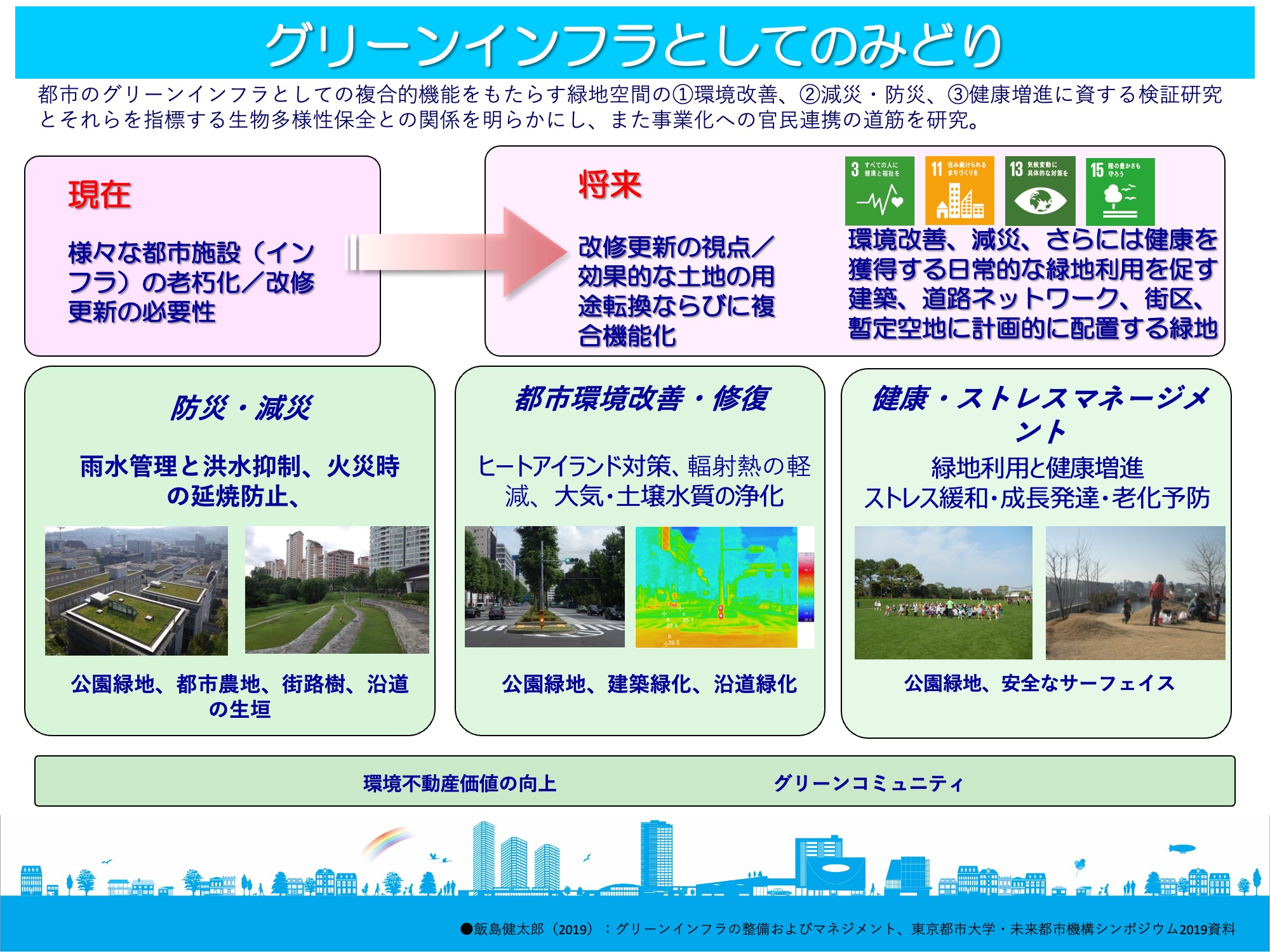
How does a person’s physiological state change when they come into contact with plants? In an experiment conducted with a neuroscience specialist, Professor Iijima measured changes in the concentration of oxygenated hemoglobin, an indicator related to blood flow in the frontal region of the brain, while participants looked at and touched natural grass. The results reportedly showed a shift from a state associated with tension to one associated with rest. Could looking at and touching greenery help relieve tension? By investigating questions such as this, Professor Iijima seeks to design environments that encourage people to interact with greenery.
His research encompasses not only plants themselves but also the behavior of people who spend time around them. One example is his work on creating environments that encourage people to keep walking. With the cooperation of a road management company, he has established a test course featuring different pavement materials in one area of the Yokohama Campus and is conducting walking experiments. By analyzing video footage of participants walking on surfaces made from asphalt, rubber chips, urethane, and other materials, he investigates differences in walking sensations and movements, examining factors such as stride length and foot angle to assess walking comfort. His research also considers rainwater infiltration and runoff. Making roads comfortable for pedestrians while enabling them to absorb rainwater are two objectives that can be addressed together. By considering everything from the road surface to its underlying structure, he aims to develop pathways that support both everyday life and the urban environment.
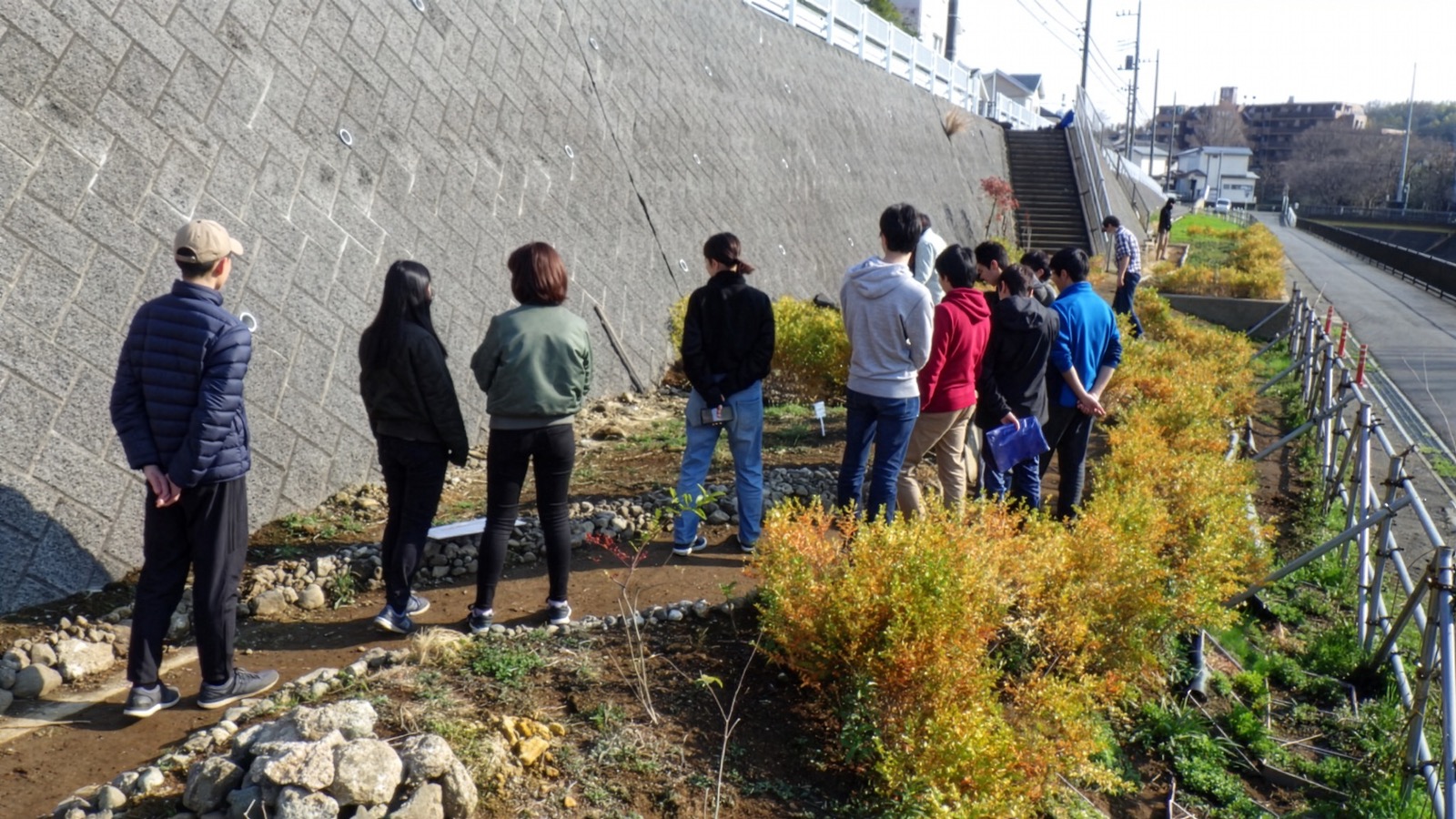
Creating spaces together with local residents is another important activity of Professor Iijima’s laboratory. In Yokohama, students, community members, and local government officials have worked together to transform a vacant lot, constructing pathways and planting trees and flowers. Stones found on-site have been reused for garden paths, while plants from previous research projects have been transplanted and given new life. Rather than merely studying existing environments, the students actively reshape them with their own hands. Through this process, they engage with local communities and gain firsthand experience of the challenges encountered in the field.
Professor Iijima’s goal is to connect green spaces and the activities that take place within them to people’s everyday lives. Even as advanced technologies make an increasing number of convenient services available, there is still value in spending time outdoors, walking, working up a sweat, and creating things with one’s own hands. He wants to create opportunities for these experiences in environments that everyone can access. “I believe that access to healthy environments and well-being should not be limited to those who can afford particular services or technologies. What matters is creating a society where everyone can enjoy these benefits without being left behind. Through the creation of places and the development of activities that people can participate in, I want to demonstrate how green infrastructure can help achieve this goal.”
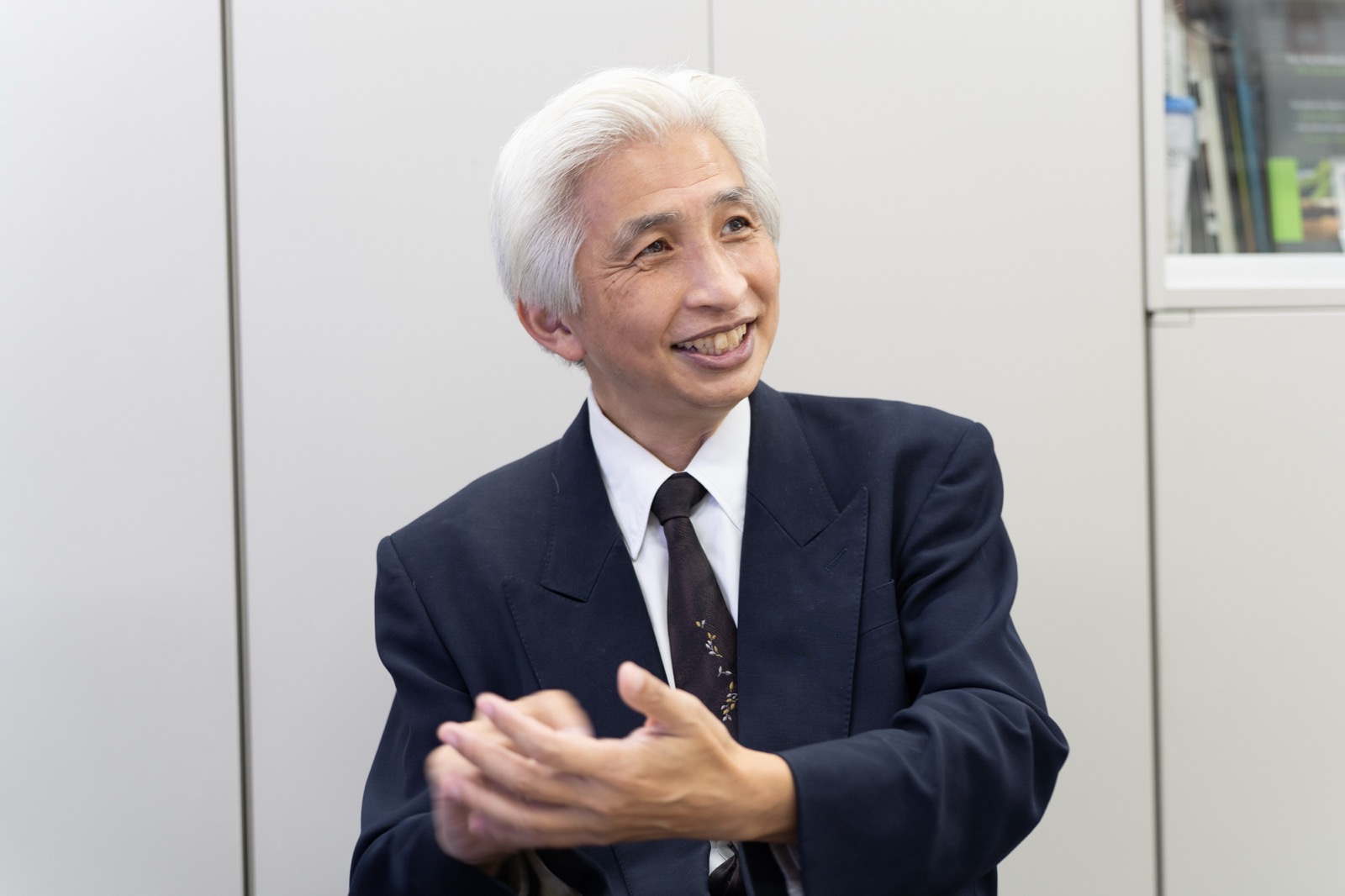
A single tree that provides shade, a planted area that absorbs rainwater, or a garden that people gather to care for can all become spaces that support everyday life, depending on how they are used. The challenge is not simply to increase greenery, but to create environments where everyone can enjoy its benefits and live in harmony with nature. The question Professor Iijima first encountered in a cactus greenhouse as a junior high school student—how greenery can enrich people’s lives—has now expanded to encompass entire cities. Green infrastructure is planting the seeds of new possibilities in people’s everyday lives.
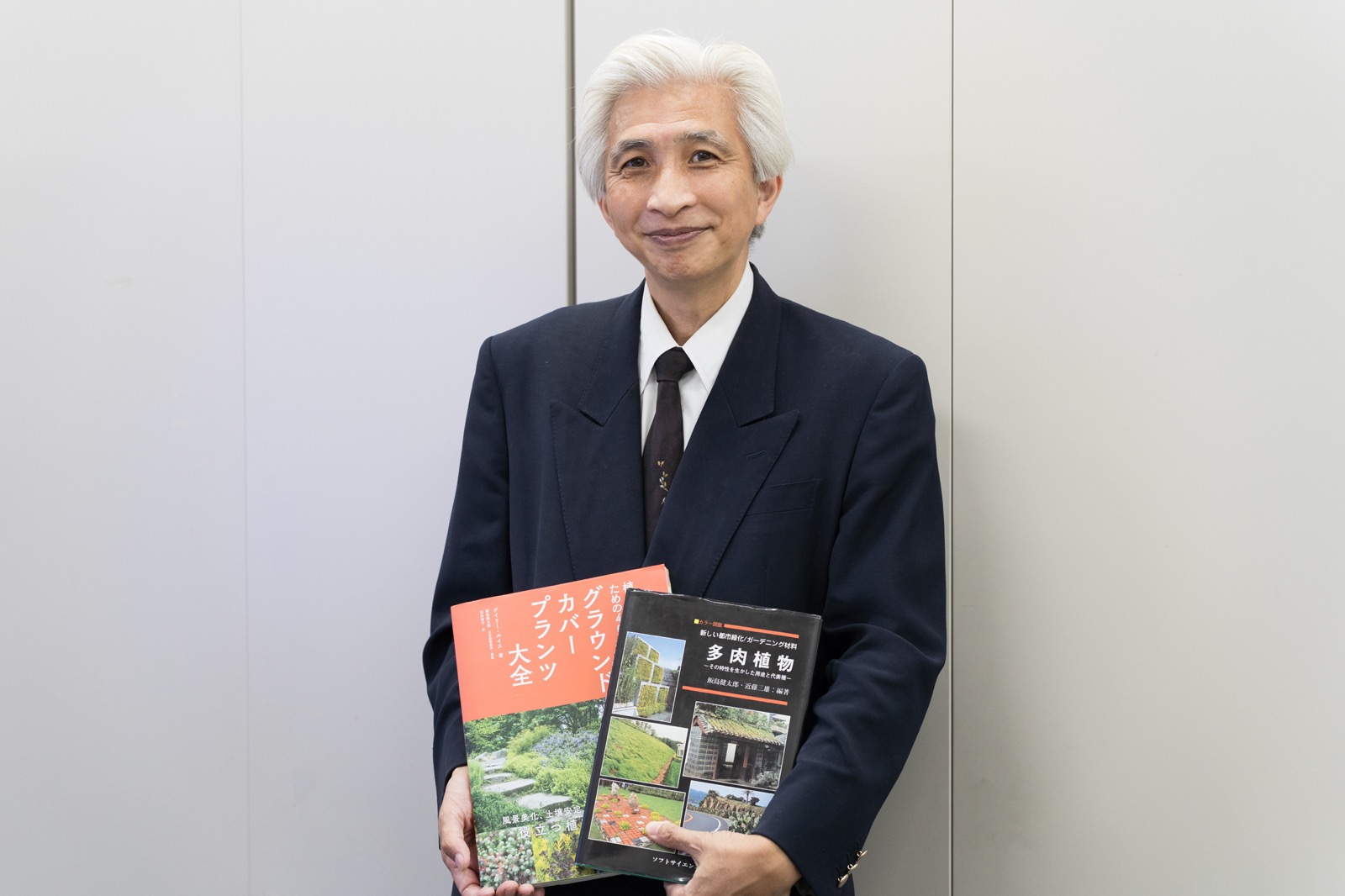
Professor, Department of Restoration Ecology and Built Environment, Faculty of Environmental Studies, Tokyo City University. Completed the doctoral program in Agriculture at the Graduate School of Agriculture, Tokyo University of Agriculture, in 1997, earning a Ph.D. in Agriculture. After serving as a Research Assistant in the Faculty of Regional Environment Science at Tokyo University of Agriculture and an Associate Professor in the Faculty of Biomedical Engineering at Toin University of Yokohama, he joined the Advanced Research Laboratories at Tokyo City University as a Professor in 2016. He has held his current position since 2020.